Part I – Foundations
Chapter III
The Early Years: Patients, Doctors & Students
Pages 43–51
Grant Medical College was not the first school of modern medicine founded in India. Calcutta and Madras already had medical colleges. From the outset, however, one of the defining features of Grant Medical College was that it offered a medical education notable for its extent of instruction at the bedside of patients. This was the practice from the very day the first lectures were delivered, on November 1, 1845.
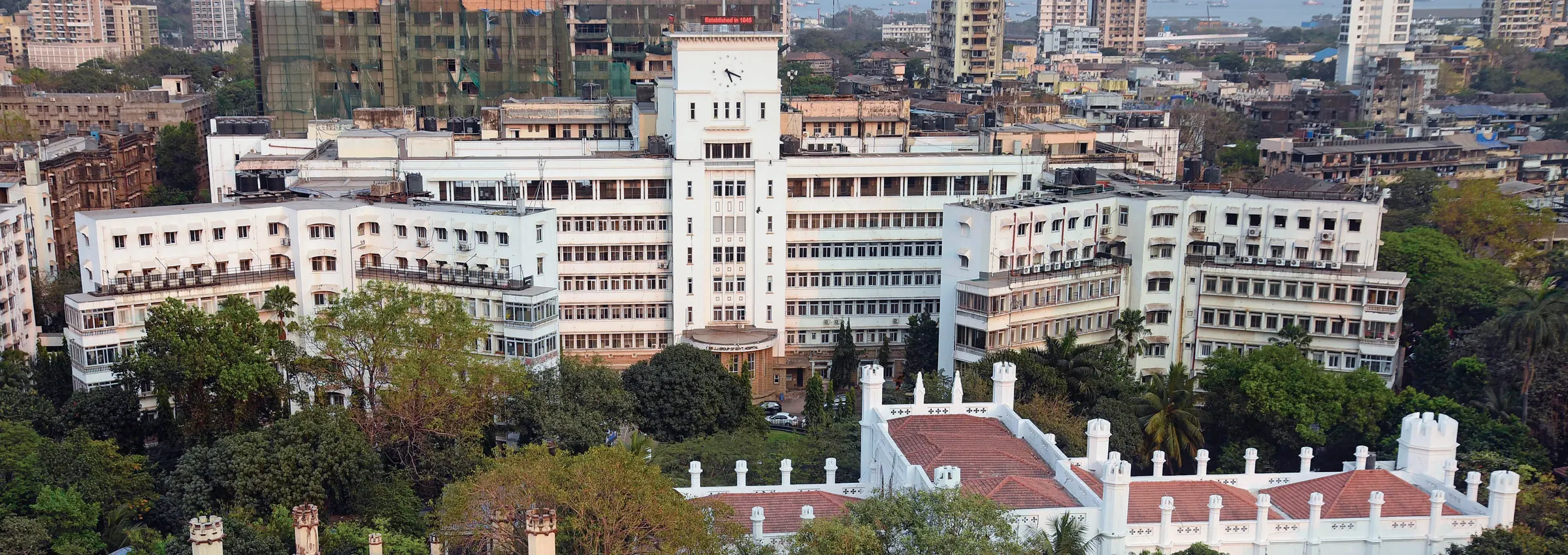
Fewer than a dozen students attended the first classes. Lectures were given by three accomplished doctors, Dr Morehead, Dr John Peet, who was head of the department of anatomy, and Dr Herbert Giraud, who was head of the department of chemistry. Dr Peet and Dr Giraud would both later become principals of the college. The professors of the medical college were the medical officers of the JJ Hospital, initially called the ‘school of practice’, which had opened for patients in May 1845.
Students thus learned medicine in the presence of illness, and patients were treated in a space that also served as a classroom.
Small-pox, typhus and various endemic fevers were common. Government records show that mortality from the endemic small-pox was considerable. There were respiratory illnesses, gastrointestinal disease, injuries sustained during manual labour, and complications arising from childbirth. Seasonal illness followed the rhythms of summers and monsoons. Many patients came late in the course of disease, having exhausted home remedies or local practitioners. Sir JJ Hospital and Grant Medical College were where acute illness, chronic suffering and social vulnerability intersected.
Treatment in these early years relied on careful observation and methodical record-keeping. Physicians documented symptoms, progression and outcomes, using the ward as both a site of care and a source of knowledge. Students were trained to watch closely, to listen to patients, and to connect clinical signs with underlying disease.
This emphasis on observation shaped daily routines. Ward rounds were central to instruction, and learning unfolded in real time, alongside treatment decisions. The wards were a deep source of learning, for JJ Hospital at the time was already built to accommodate 240 male and 60 female patients.
From the clinical medical and clinical surgical wards, professors would pick out, every day, patients whose cases could be instructional.
Dr Morehead, who was known to spend long hours of the day in the hospital and college besides showing up at different hours of the night to keep an eye on attendants and doctors, was widely respected for his kindness, a bedside manner that was gentle, courteous and humane.
The spirit of humanity was, above all else, critical to the demeanour of effective doctors, he believed. Dr Morehead once wrote that the true test of instruction in the field of medicine was whether students eventually gained the confidence of those they served.
The first batch of students was admitted after rigorous tests that were broad in nature, comprising general intelligence, language and arithmetic, besides certificates of recommendation and good conduct signed by school headmasters. Anybody in the age group of 16 - 20 years could take this ‘entrance test’ that included candidates’ familiarity with Milton’s Paradise Lost, reflecting the emphasis placed at the time on English education.
Among the earliest students to distinguish themselves at Grant Medical College were individuals who combined academic diligence with active participation in teaching and institutional life. Sebastian A D’Carvalho emerged as a strong performer across subjects, excelling particularly in chemistry, and later becoming the first graduate of the college in order of merit. His name appears in early records, associated with scholarship examinations, anatomical demonstrations and the practical demands of medical training in its formative years.
Dr Bhau Daji Lad, a familiar name in present day Mumbai for the museum he helped establish in Byculla, known earlier as the Victoria & Albert Museum, was among that first batch. Dr Lad would go on to become a pioneering Indian physician and social reformer who worked with leprosy patients and extensively researched Indian medicinal herbs. As an award-winning student at GMC, his performance in examinations and his participation in anatomical work placed him among a group of trainees who combined medical study with broader intellectual interests.
Atmaram Pandurang Tarkhadkar played a significant role in the practical teaching of anatomy. For several years, he assisted in the preparation of specimens used in demonstrations, contributing materially to the development of the anatomical museum. His work required patience, precision and sustained effort, and was repeatedly acknowledged by faculty. Sebastian Carvalho and Bhau Daji Lad were also noted for their involvement in anatomical preparation and study, reflecting an early culture in which students were expected to contribute actively to the resources of the institution.
Dr Morehead once wrote that the true test of instruction in the field of medicine was whether students eventually gained the confidence of those they served.
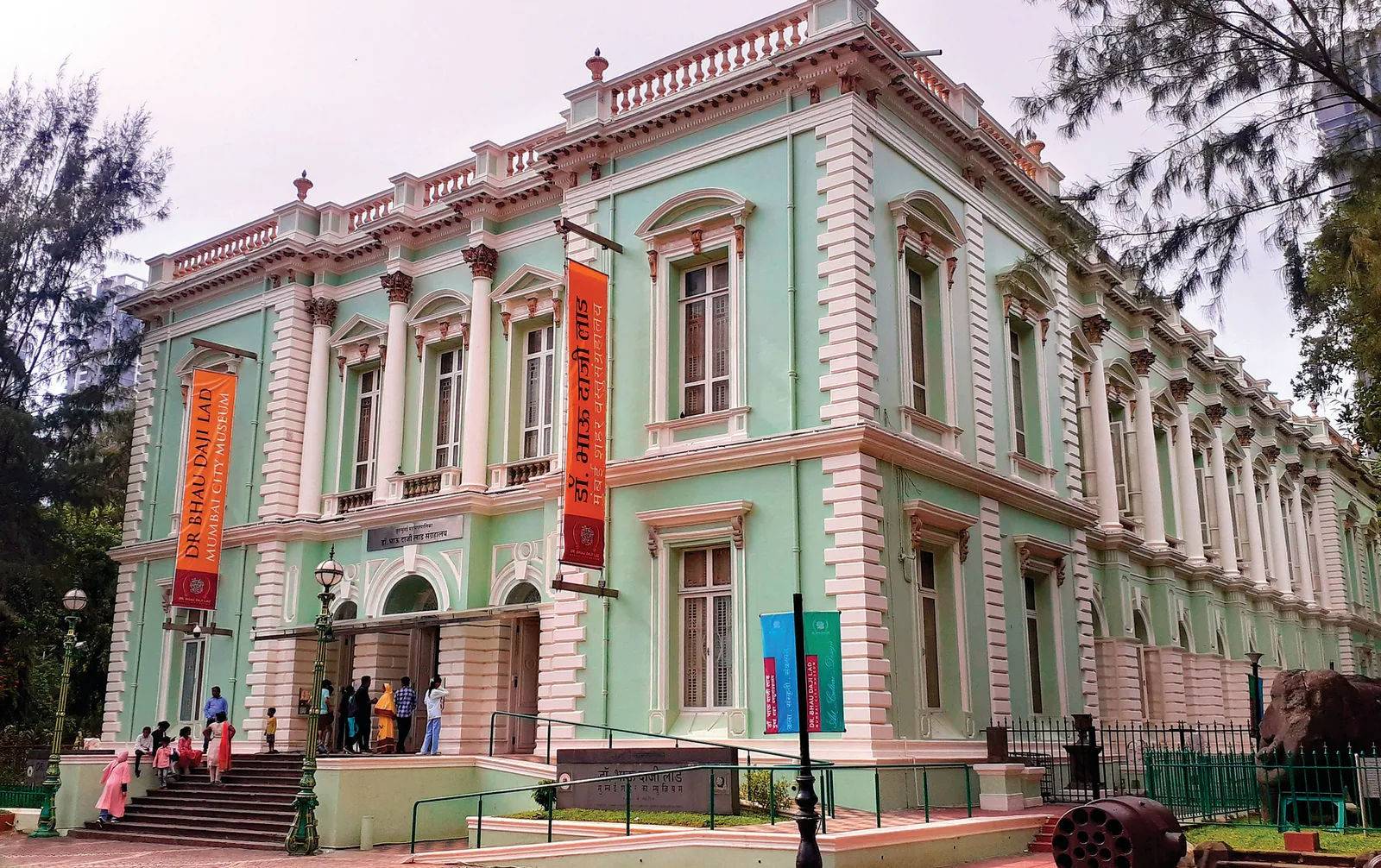
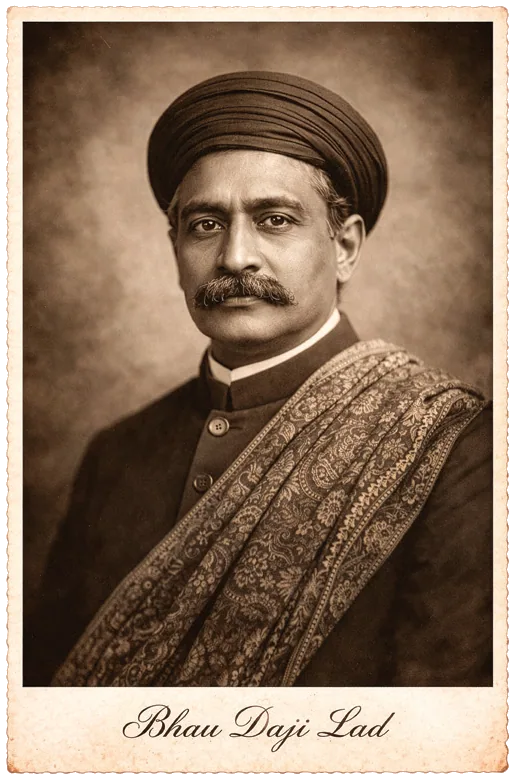
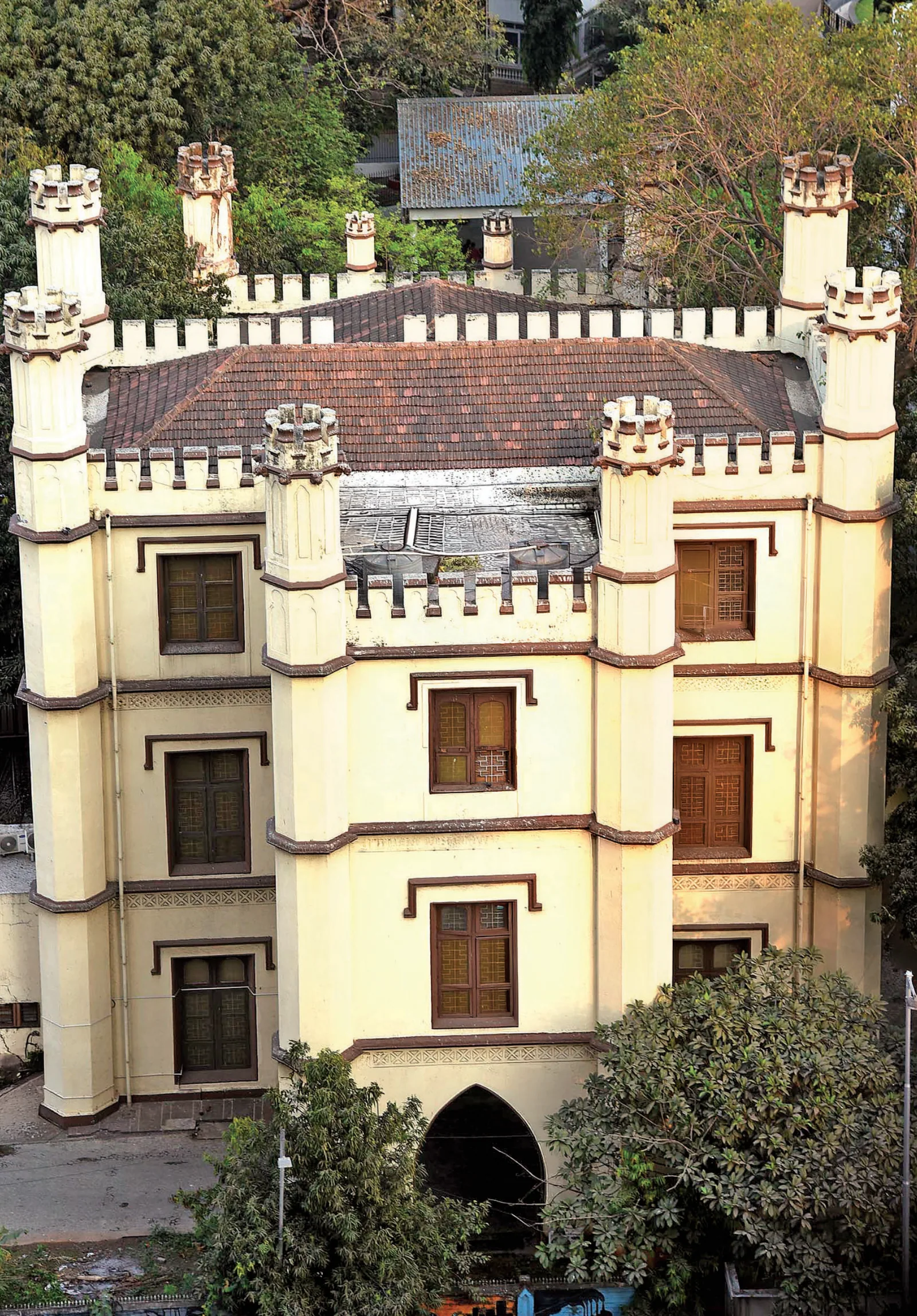
Dr Bhau Daji Lad, a pioneering Indian physician and social reformer, was among that first batch. Dr Lad remains a familiar name in present day Mumbai for the museum he helped establish in Byculla, known earlier as the Victoria & Albert Museum. (Right) View of the museum from Southeast Photo Credit: Creative Commons CC0 1.0 Universal Public Domain Dedication
In the 1860s, Dr Pandurang would go on to establish the Prarthana Samaj that called for social reform. He was also a co-founder of the Bombay Natural History Society and a classmate of Dadabhai Naoroji at his previous alma mater, the Elphinstone Institution.
Academic rigour in the early years of Grant Medical College was reinforced through competitive scholarships established in memory of former Governors of Bombay. The Carnac, Farish and Anderson Scholarships were awarded through examinations that tested students over several days, combining written papers in chemistry and anatomy with individual oral examinations. Performance was assessed systematically, with clear thresholds for success and close scrutiny of each candidate’s work. Early recipients included Sebastian Carvalho, Bhau Daji Lad and Atmaram Pandurang, whose results reflected strength across both theoretical knowledge and practical understanding. These scholarships underscored the seriousness with which medical education was pursued, and the standards expected of the college’s earliest students.
Others from this early cohort, such as Burjorji Dorabji, Merwanji Sorabji and Paul Francis Gomes, went on to practise in Bombay Presidency including in mofussil areas or established private practices or returned to their alma mater to teach. Together, these students represented the first generation of locally trained medical practitioners shaped by the routines and rigour of the new college.
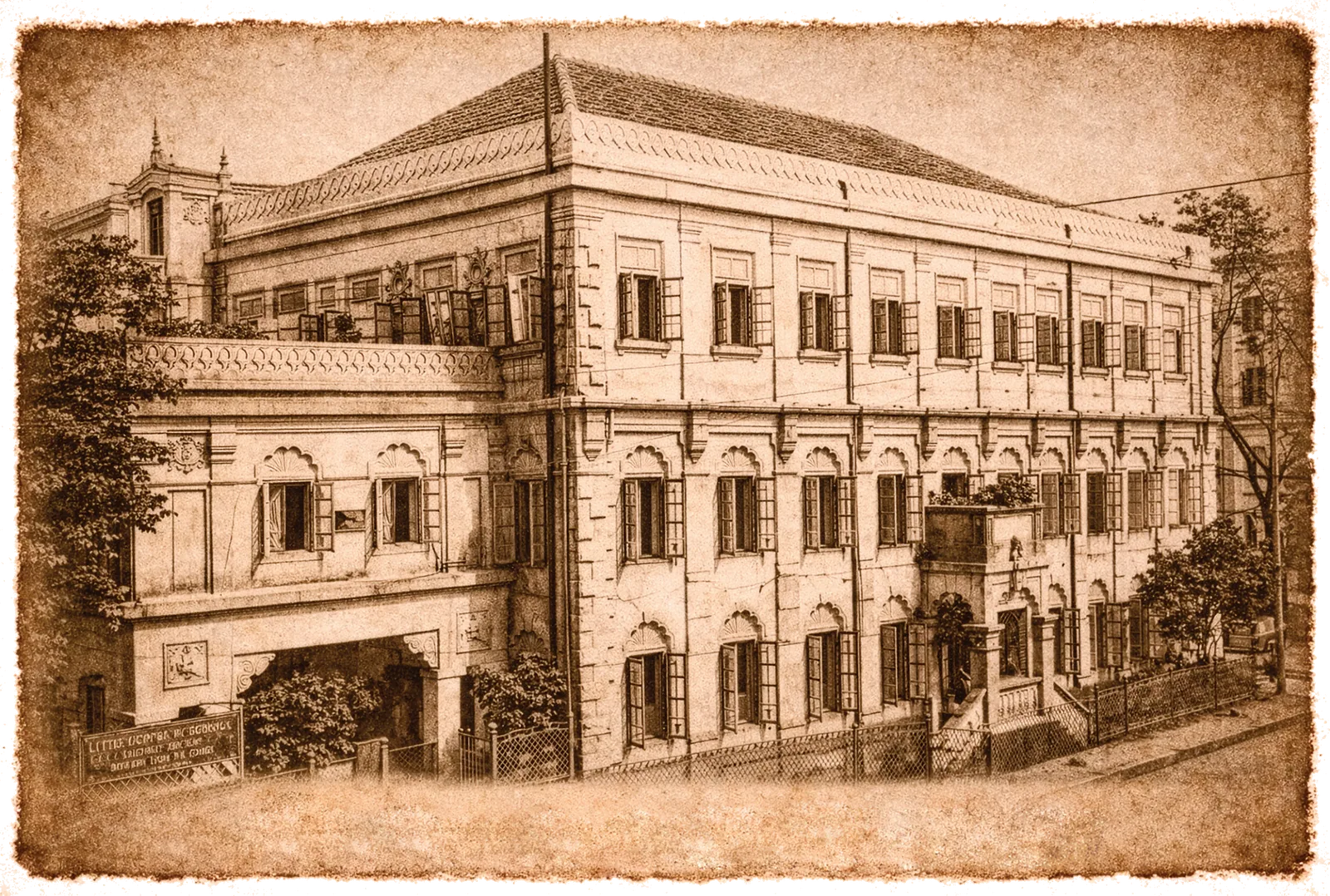
Government records from the Bombay Presidency dating back to the mid-1850s show the Jamsetjee Jeejeebhoy Hospital being referred to not only as the largest civil hospital in Bombay, but also as one dedicated to the service of the poor. While the hospital admitted patients of all classes, records show that about half the patients who died in the hospital during these years were so destitute as to have no friends or family to accept their corpses. These would be buried at public cost.
The Prarthana Samaj