
Part II – Resilience and Renewal
Chapter V
When Disease Changed The City
Pages 67–71
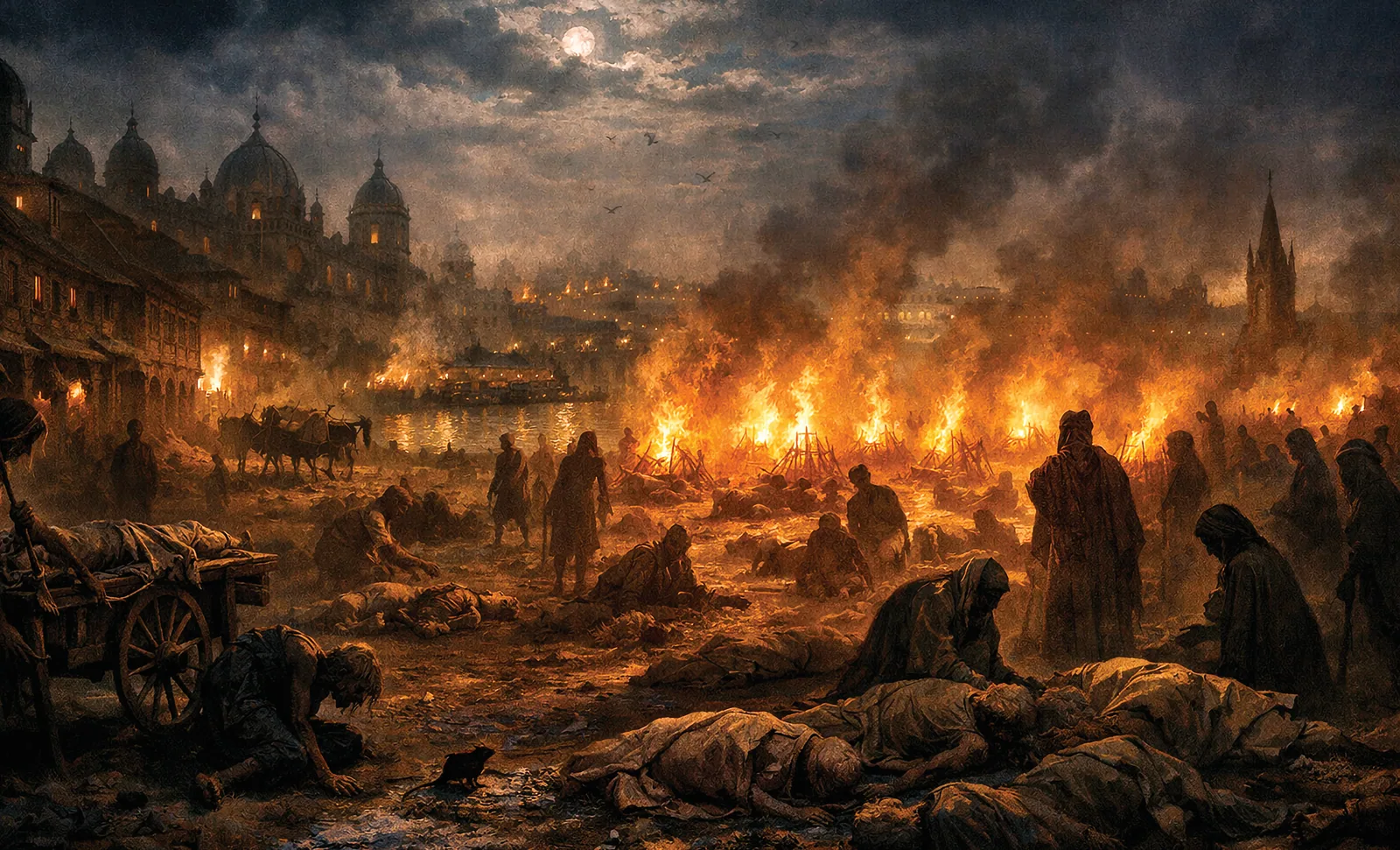
Bombay in the nineteenth century was no stranger to disease. Cholera arrived with the monsoon, smallpox recurred in cycles, and fever followed predictable seasonal patterns.

Hospitals and dispensaries treated the sick, while families relied on home remedies or local practitioners before seeking institutional care. Diseases were feared, but they did not compel the city to rethink how it organised itself.
The plague did.
A report by the city’s municipal health officer, included in the Annual Report of the Municipal Commissioner of the City of Bombay for 1896–97, offers a stark glimpse of what residents endured during the bubonic plague outbreak that year.
Brigade-Surgeon-Lieutenant-Colonel Dr T S Weir described the cases he encountered in the course of duty: a girl found dead in a dharamshala on Foras Road, ill for two days but never seen by a doctor; a woman discovered lifeless in an empty stable on Walkeshwar Road; a seriously unwell man locked inside a house in Kamathipura. “He had been locked up in the room the previous night by a relative,” Weir noted, “and this friend had gone away and not come back.”
In another instance, a man walked unaided to Sir JJ Hospital, where he was diagnosed with plague and placed in an ambulance for transfer to one of the designated isolation hospitals. In Parel, the attendants found the ambulance empty. The man had opened the door and leaped off the moving vehicle. “In the evening,” Weir recorded, “he was found lying dead in a verandah, having walked a long way…”
That was the city.
When bubonic plague appeared in Bombay in 1896, it unsettled habits that had long been taken for granted. It disrupted how people moved through the city, how households responded to illness, and how medicine entered public space. Unlike earlier epidemics, plague demanded intervention that extended beyond hospitals. It brought doctors, officials and enforcement directly into homes and neighbourhoods.
The first recognition of plague in the city is attributed to Dr Acacio Gabriel Viegas. He identified the disease among patients in the Mandvi area in September 1896. His diagnosis was not immediately accepted.
Bombay had seen epidemics before, and the implications of plague were grave, not only for public health but for trade, mobility, and governance. Confirmation came through further observation and laboratory work. It included the detection of plague bacilli in rats trapped from affected localities.
Once the disease was established, the city entered a period of sustained emergency. Houses were inspected, patients moved to quarantine hospitals and their contacts isolated. Camps were established to separate infected and uninfected populations. These actions brought medicine into direct contact with domestic life. Illness could no longer be managed privately, and treatment increasingly involved removal and segregation rather than care within the household.
During the early phase of the epidemic, large numbers of residents left Bombay altogether, with departures exceeding arrivals for several months. Others moved repeatedly within the island. When plague appeared in one part of the city, families often abandoned their homes and resettled elsewhere.
In many cases, the sick were hidden inside houses chosen as places of concealment, discovered only after several deaths occurred in the same vicinity. These movements were intended to avoid disease, but often assisted its spread, carrying it to new localities.
Public health measures met resistance. Search parties ordered to enter homes to identify cases were often stopped in crowded localities, jeered at, or subjected to stone pelting when patients were taken away. Hiding the sick remained widespread as families feared separation and death away from home.
Bombay observed a growing sense of exhaustion and despondency.
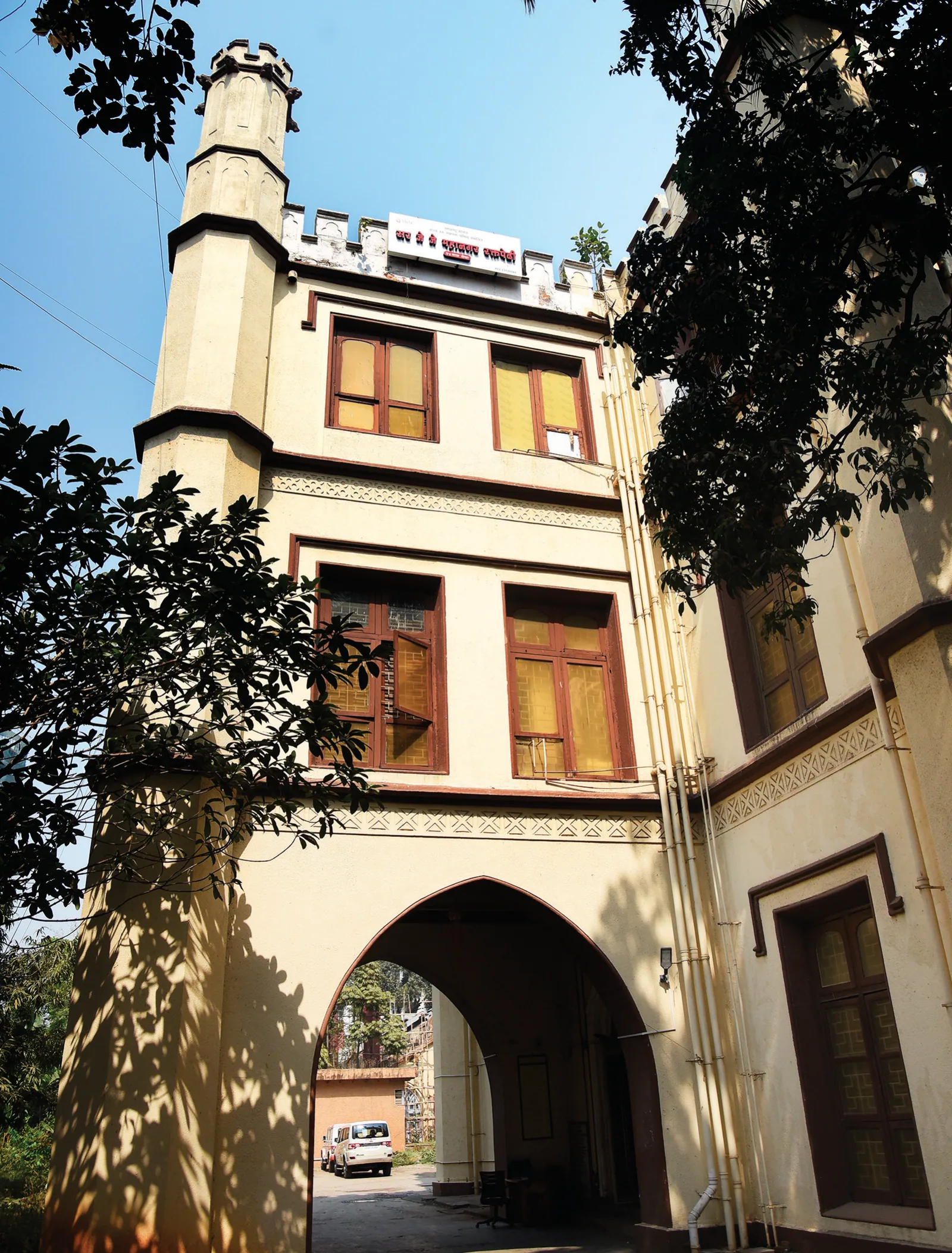
In this unsettled environment, Sir JJ Hospital assumed a role far larger than its founders had anticipated. Established as a hospital for treatment and medical training, it became a central institution in the city’s epidemic response. Wards were crowded, and segregation became unavoidable.
At the same time, JJ Hospital remained a working medical institution. Clinical routines continued.
When the plague eventually subsided, it altered how disease was understood in Bombay. Illness came to be seen not merely as a private misfortune but as a shared civic risk.
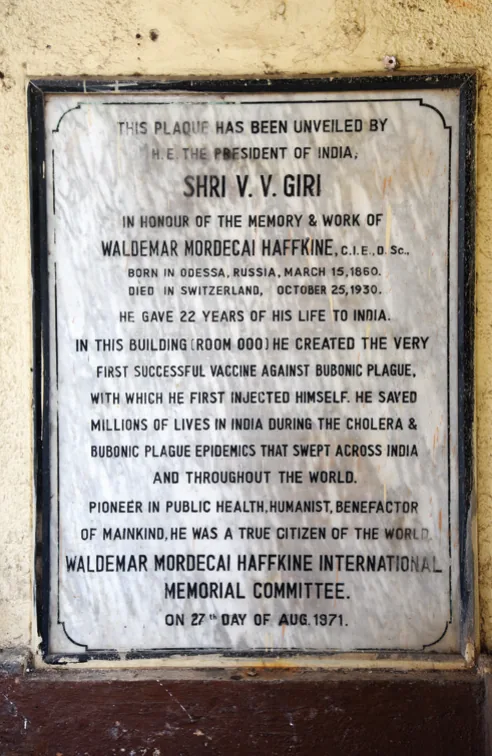
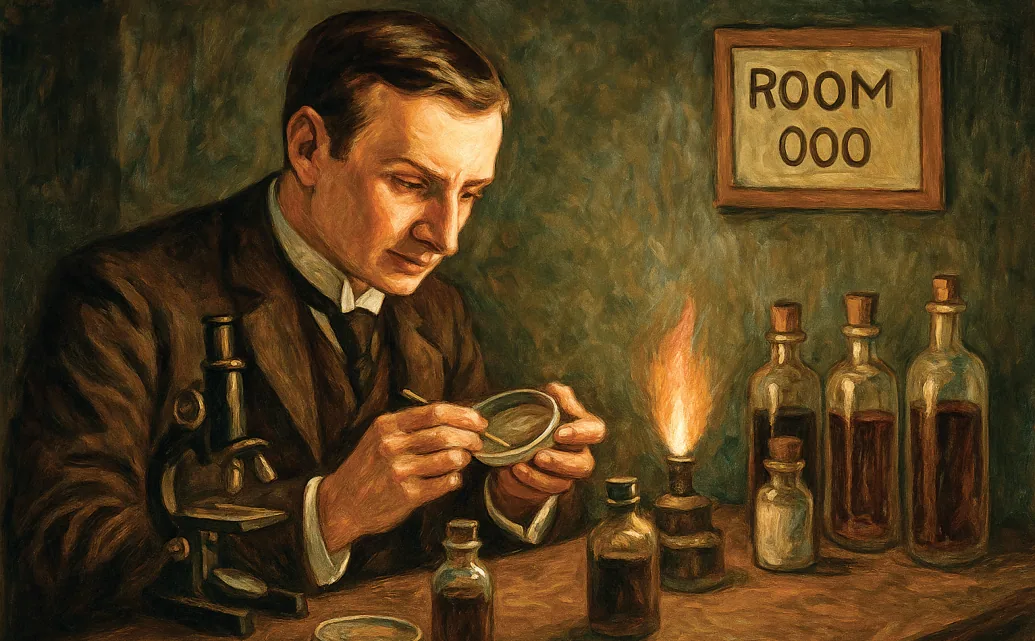
It was within this context that Waldemar Mordecai Haffkine began his work in Bombay. Trained in European laboratories, Haffkine was invited to Bombay during the plague outbreak. In October 1896, he began work at the Petit Laboratory associated with Grant Medical College.Not part of the Indian Medical Service, he arrived as an outsider at a moment when time was scarce and confidence limited. He was given space to work at the JJ Hospital, where laboratory investigation and clinical care existed side by side.
Within months of the outbreak, by January 1897, Haffkine developed a prophylactic against plague. As he had done earlier with cholera, he tested the preparation on himself before proceeding further. Trials followed soon after, including inoculations carried out among volunteers at the Byculla jail. Field use began soon after. Not everybody agreed to be inoculated, however. The fear of plague was often matched by the fear of its remedy. Doctors and students were required to explain procedures, coax patients and persuade communities to participate. Wider acceptance came when community leaders used their heft among people to convince them.
When the plague eventually subsided, it altered how disease was understood in Bombay. Illness came to be seen not merely as a private misfortune but as a shared civic risk. Housing conditions, sanitation and disease surveillance gained renewed importance.
For JJ Hospital, the plague years marked a lasting transformation. Its responsibilities extended beyond treatment, to prevention and response. The institution emerged as deeply embedded in the life of the city. The pressures of an epidemic also reshaped the experiences of doctors and students. It prepared the ground for everyday clinical work that would continue within its wards in the years that followed.