Part I – Foundations
Chapter IV
Learning From The Living Body
Pages 53–65
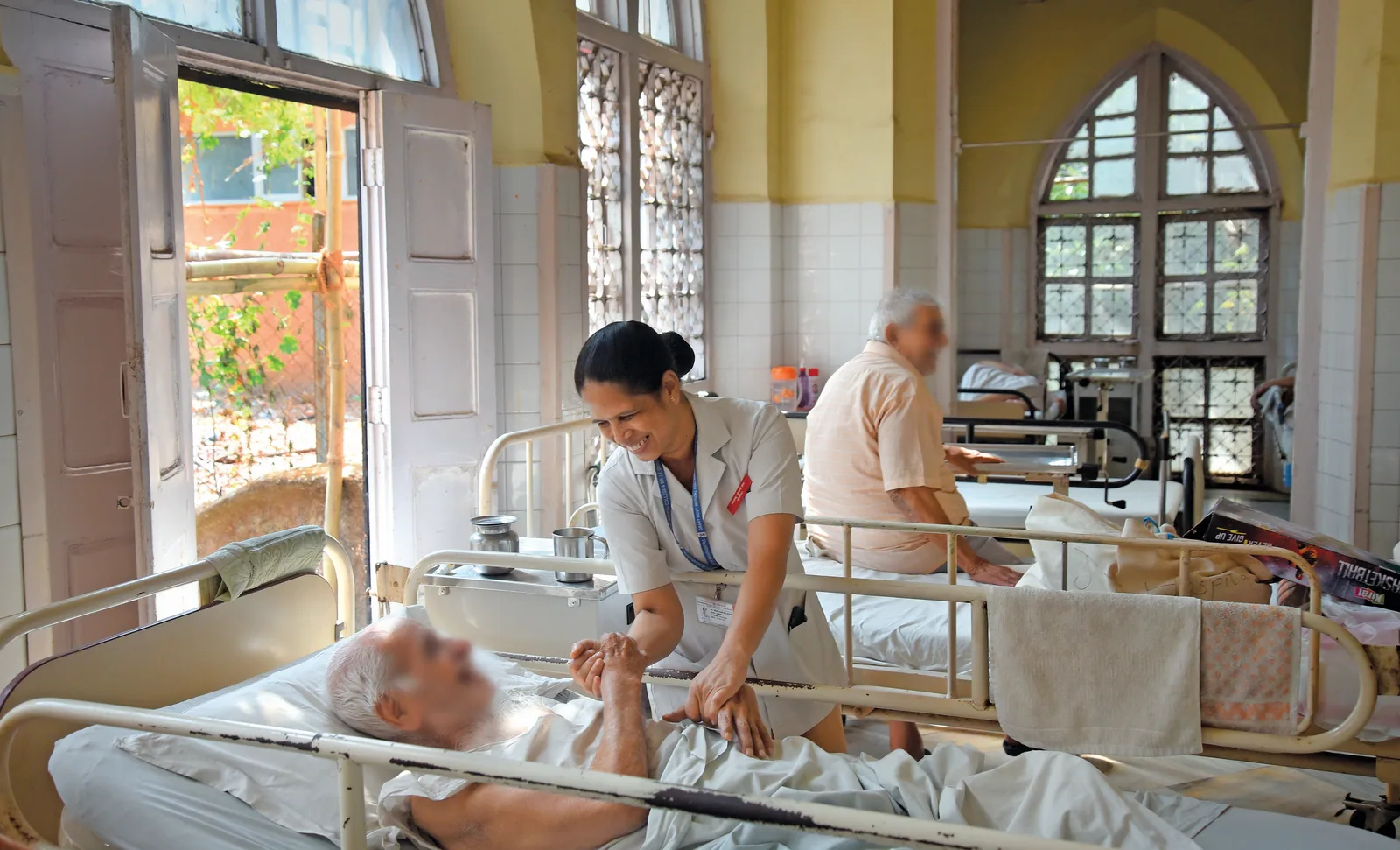
Even in the early years, at 7 am every day, the wards of Sir JJ Hospital were already awake. Students began their rounds, moving between rows of beds. The doctors conversed with patients and studied their charts, and behind them walked the students of the Grant Medical College, notebooks in hand and eyes on the patients.

These wards were not just places of recovery, but also where medicine was taught. Students were trained through daily clinical rounds. Senior physicians examined patients in front of them, explained their symptoms, and discussed treatments directly at the bedside.
For many students, this was their first sustained encounter with illness, where learning came not from textbooks but from living bodies. They learned by watching, listening and observing how diseases affected real people.
It was not the hospital wards alone undergoing change; the city itself was in the throes of a transformation. The state gazetteer describes how overcrowded housing, open drains, polluted water sources and constant migration adversely affected the city’s port areas.
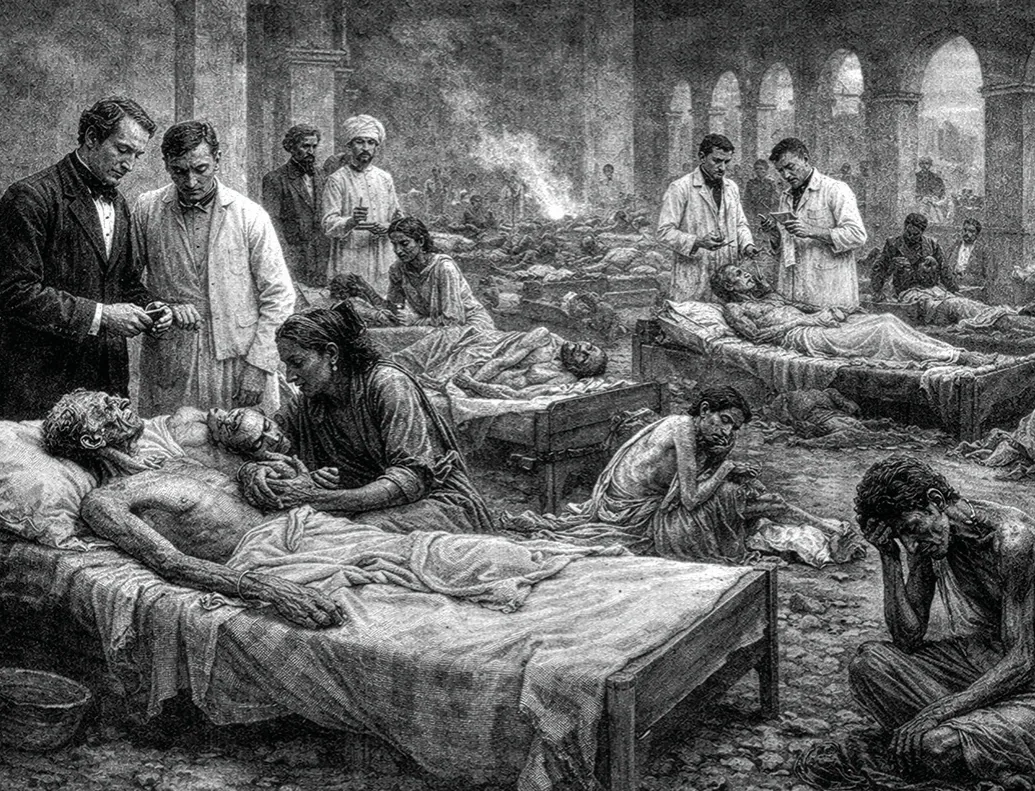
These conditions were ripe for illness. Fevers and respiratory diseases filled Sir JJ Hospital’s wards, and cholera returned in repeated waves. Gradually, the students saw that these diseases did not always follow the patterns described in medical textbooks written by Europeans. It was time to adapt medical techniques to make them suitable for Indians.
Reports in the Indian Medical Gazette noted how tropical climate, sanitation and living conditions influenced patterns of sickness. The students recorded these observations carefully. As the patients were treated and their responses to treatment studied and recorded, the hospital began to house a growing volume of knowledge about health in western India. The hospital thus became a place where the city itself was studied.
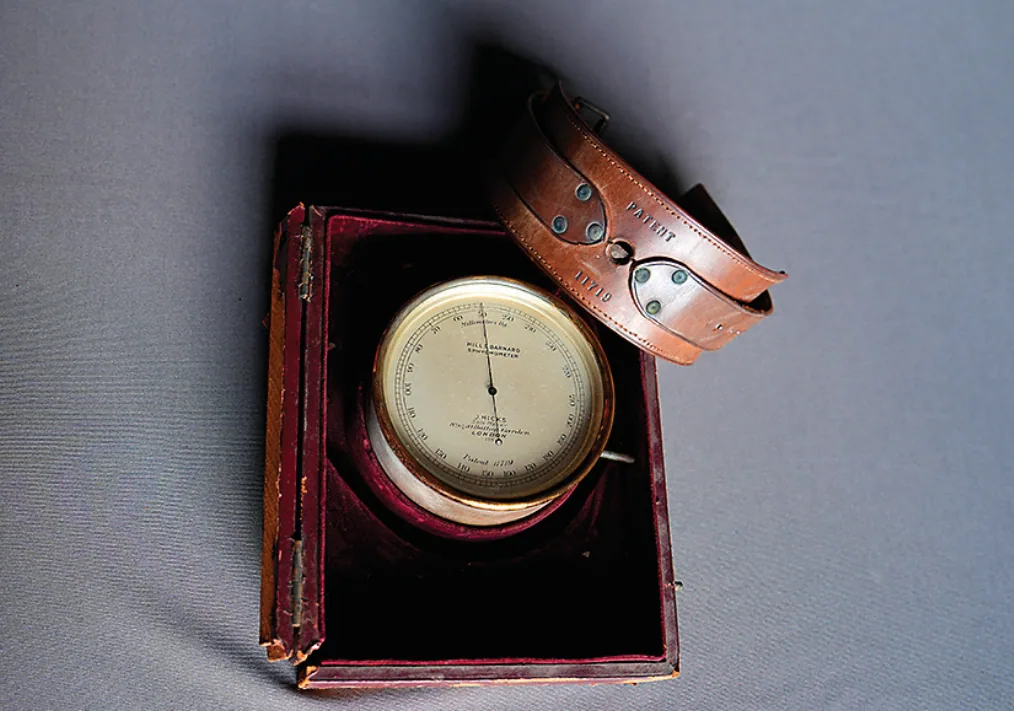
Some students followed the same patient for weeks, tracking even the smallest improvement or decline. Through these daily encounters, budding doctors learned to recognise symptoms, understand disease progression and make practical medical decisions.
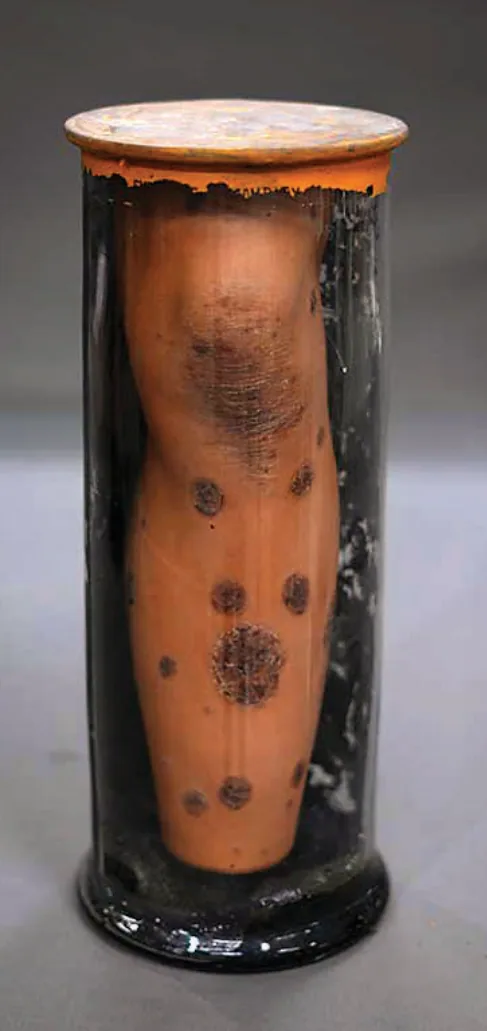
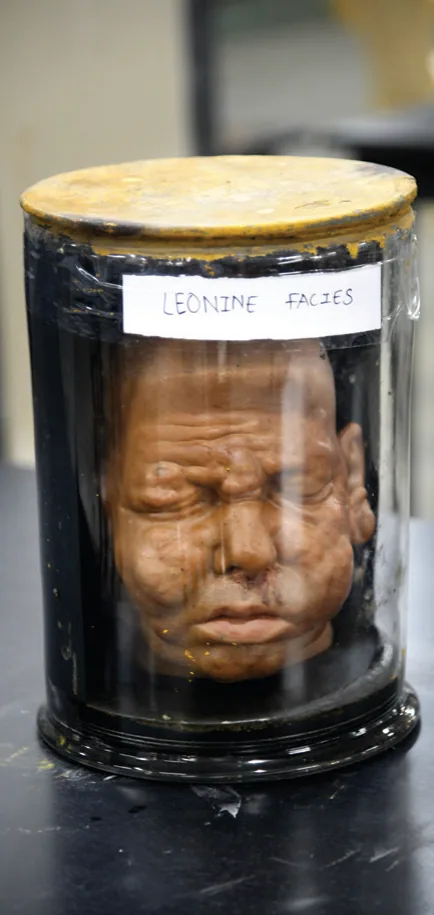
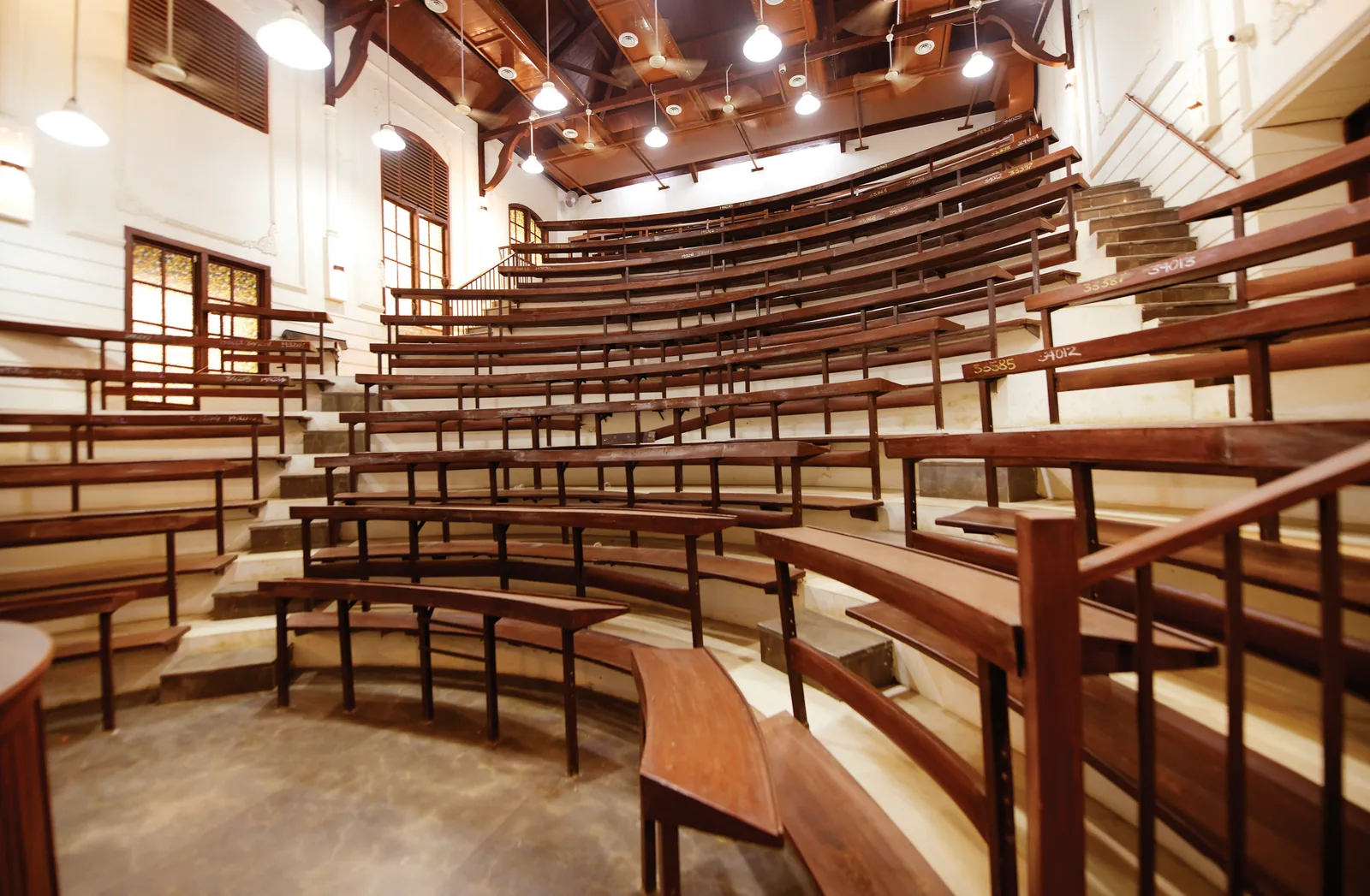
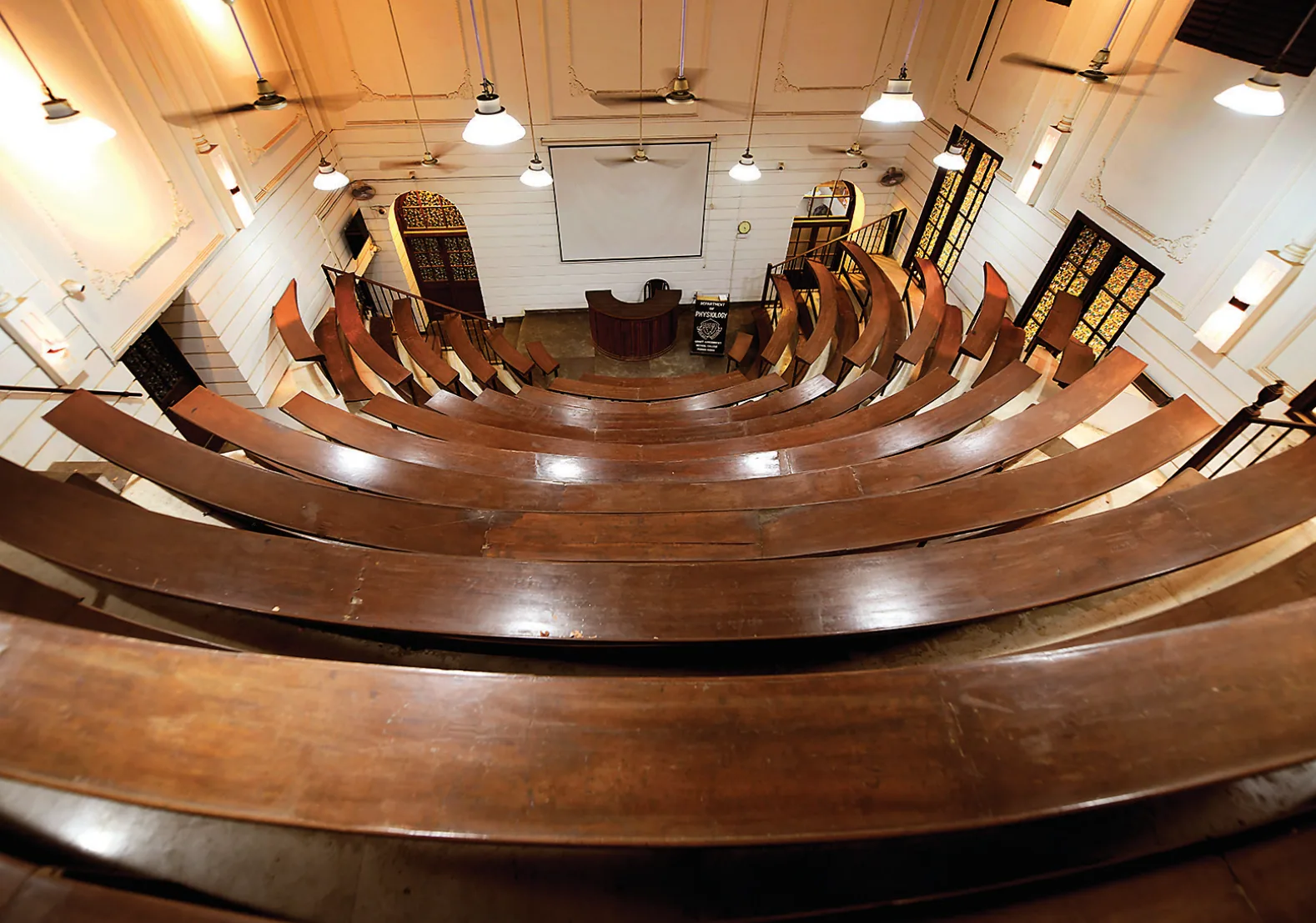
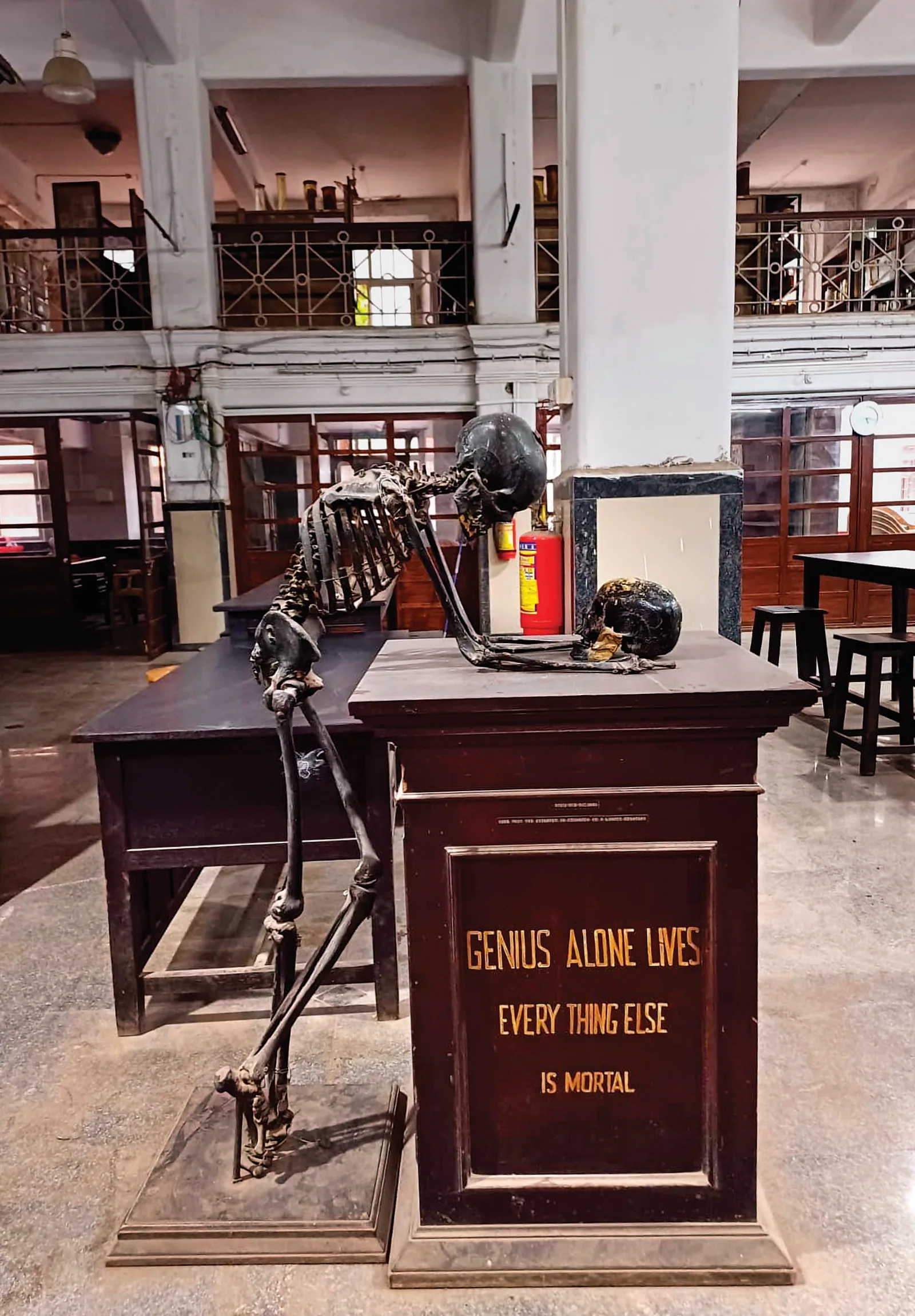
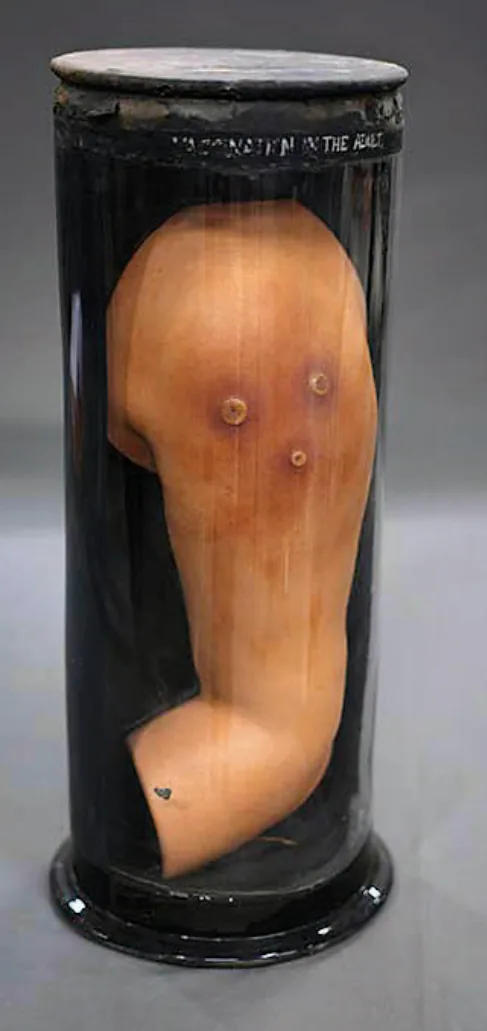
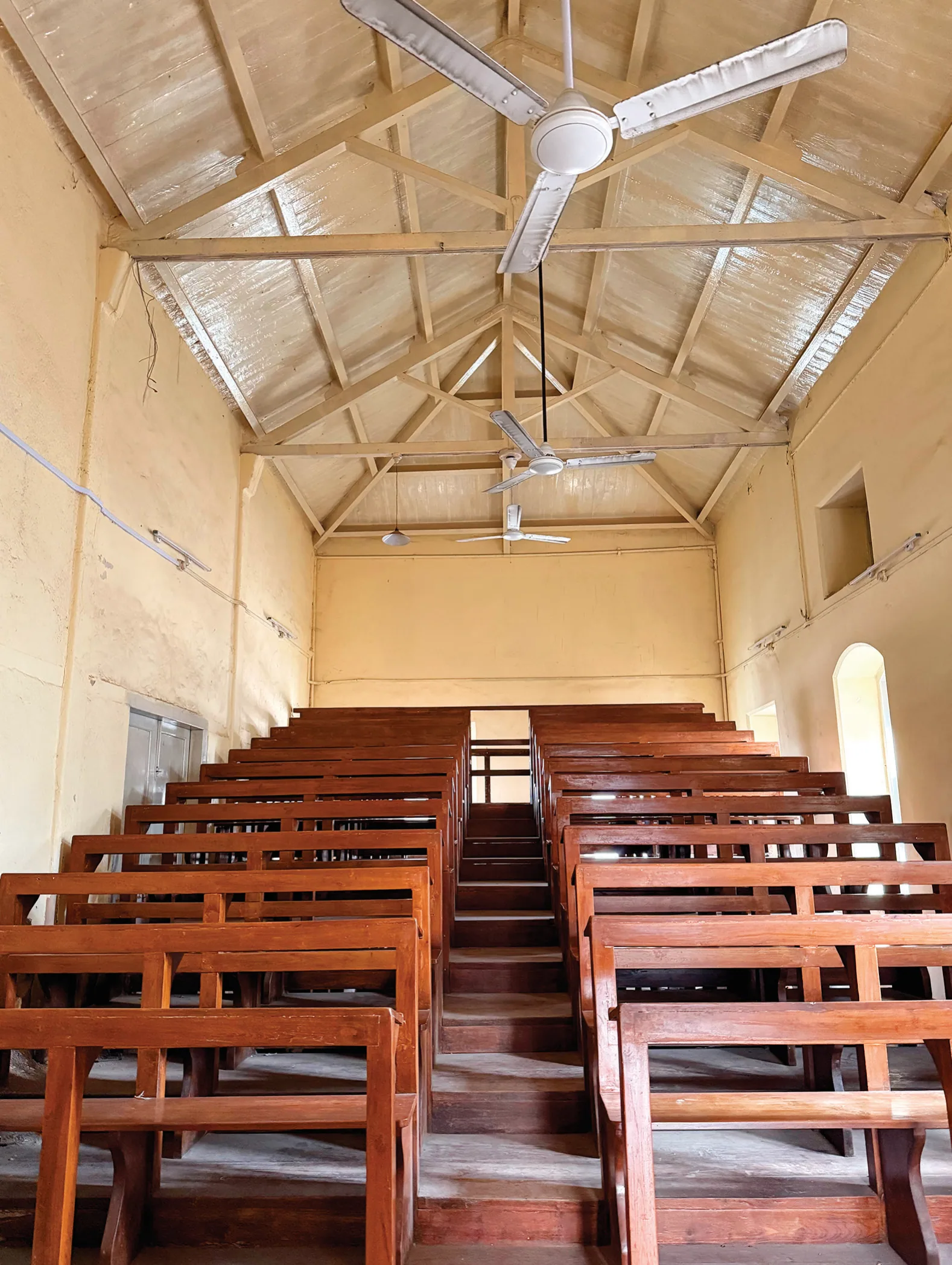
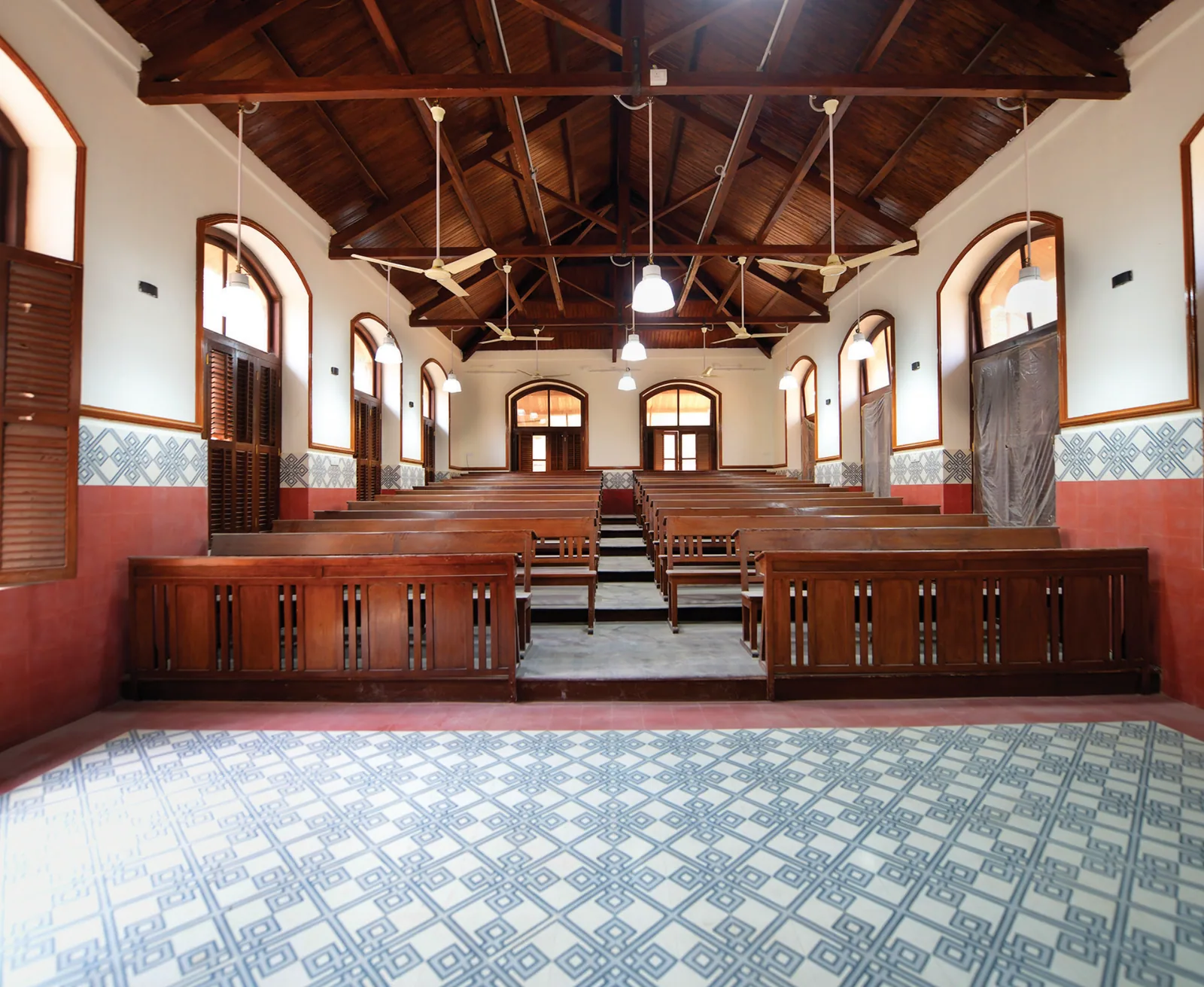
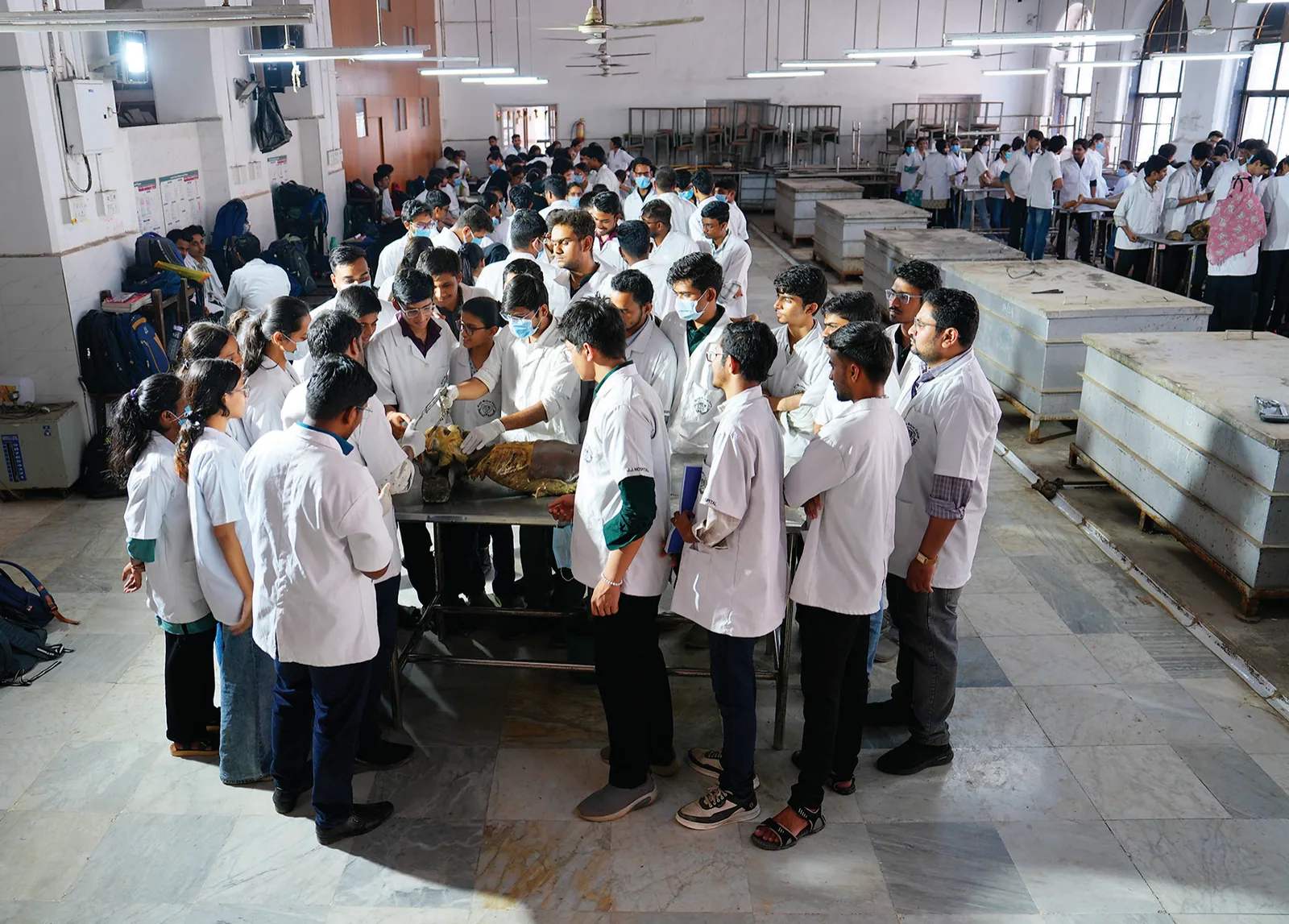
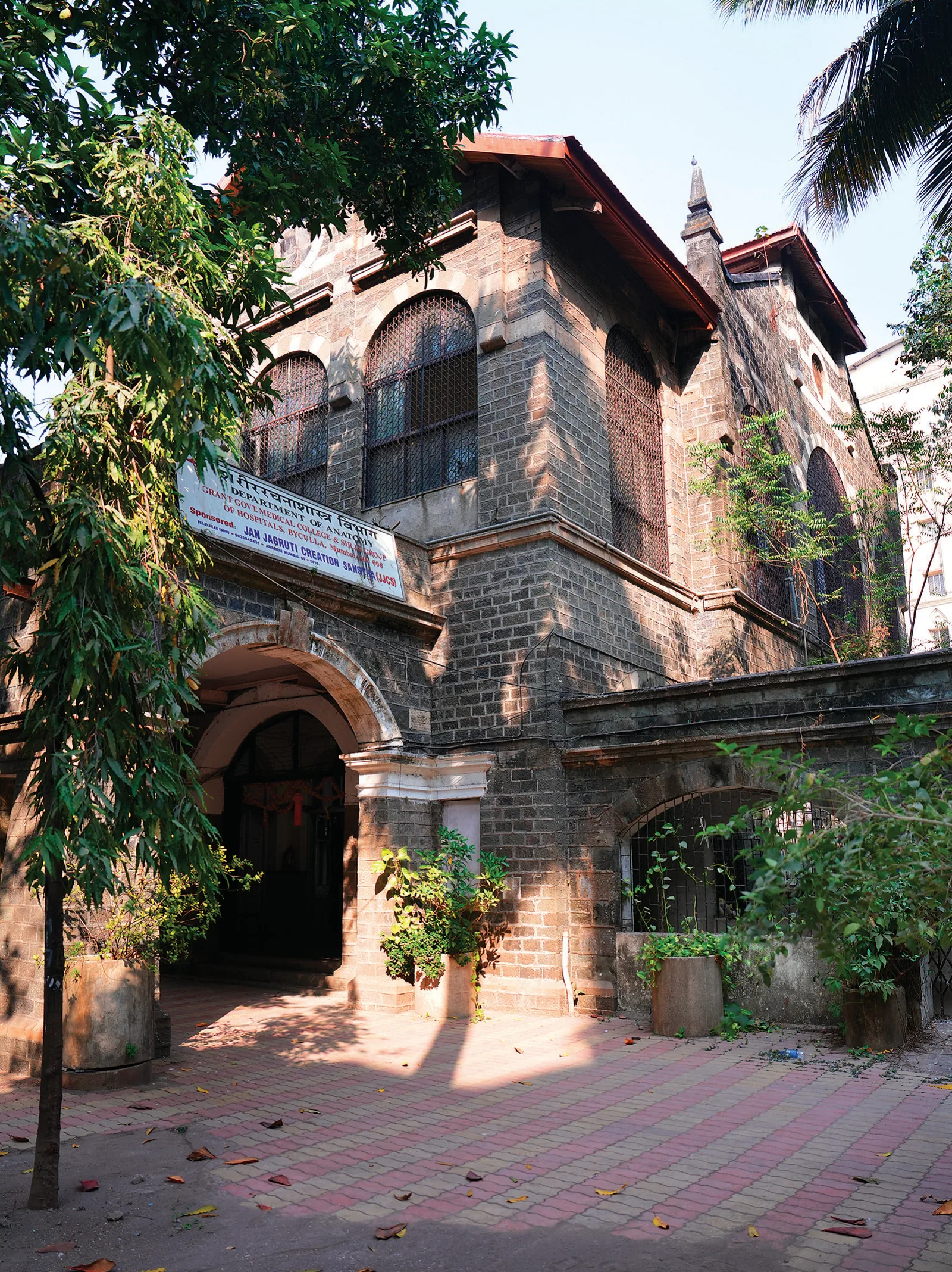
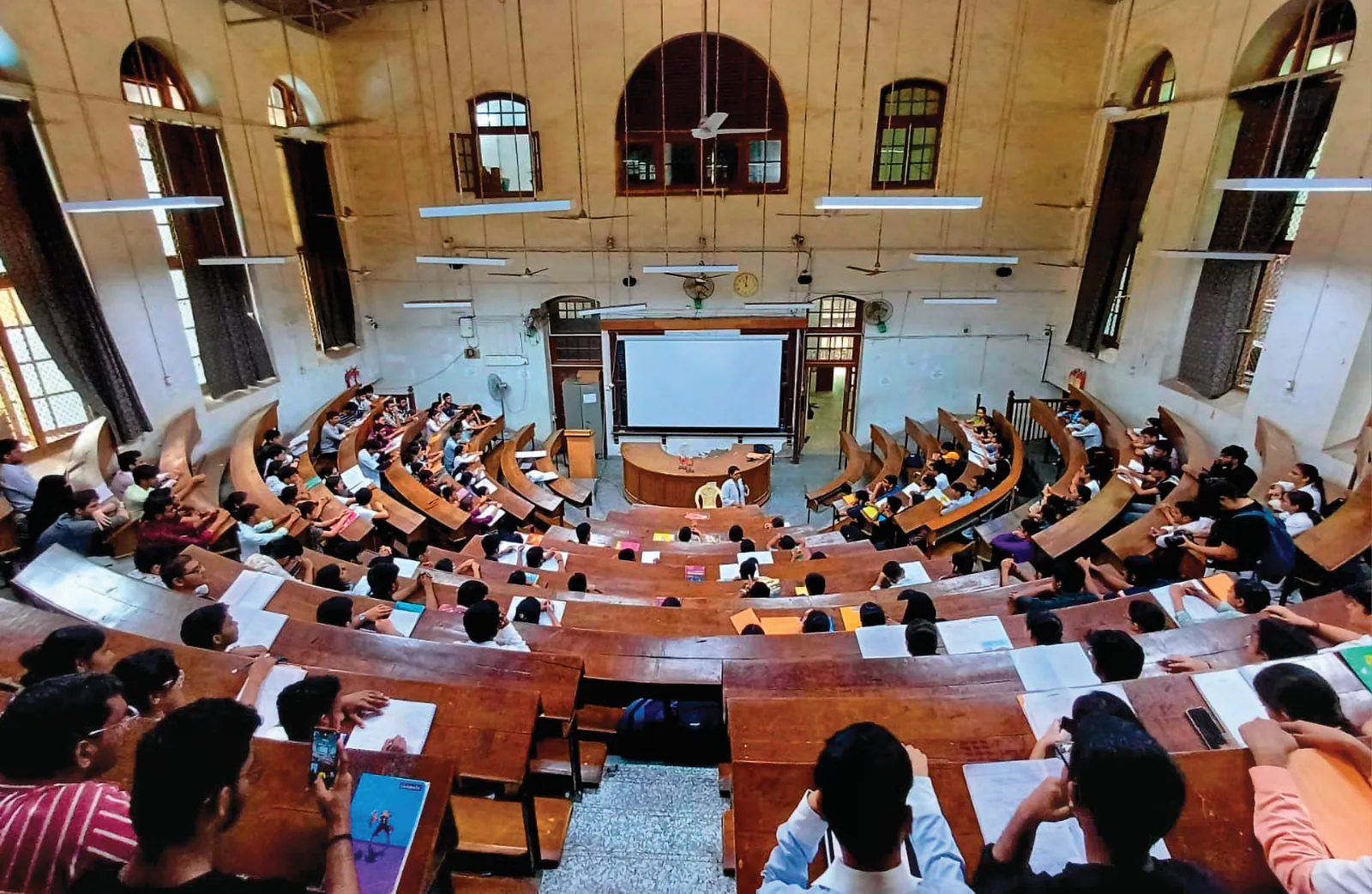
Beyond the wards was one important space, the anatomy room. Here, students studied the human body through dissection, a practice newly introduced in Bombay’s medical education. The history of the college shows how anatomy was considered essential for proper training in diagnosis and surgery.
For many Indian students, dissection exercises and handling human remains challenged deeply held cultural beliefs about death and the body. Over time, anatomy lessons became routine and a necessary part of training.
Students gained a clearer understanding of how the body functions under the skin by carefully examining the muscles, organs and bones. In due course, diagnoses became more confident, and surgeries more precise. The anatomy room transformed medicine from guesswork to structured science.
Beyond the wards was one important space, the anatomy room. Here, students studied the human body through dissection, a practice newly introduced in Bombay’s medical education.
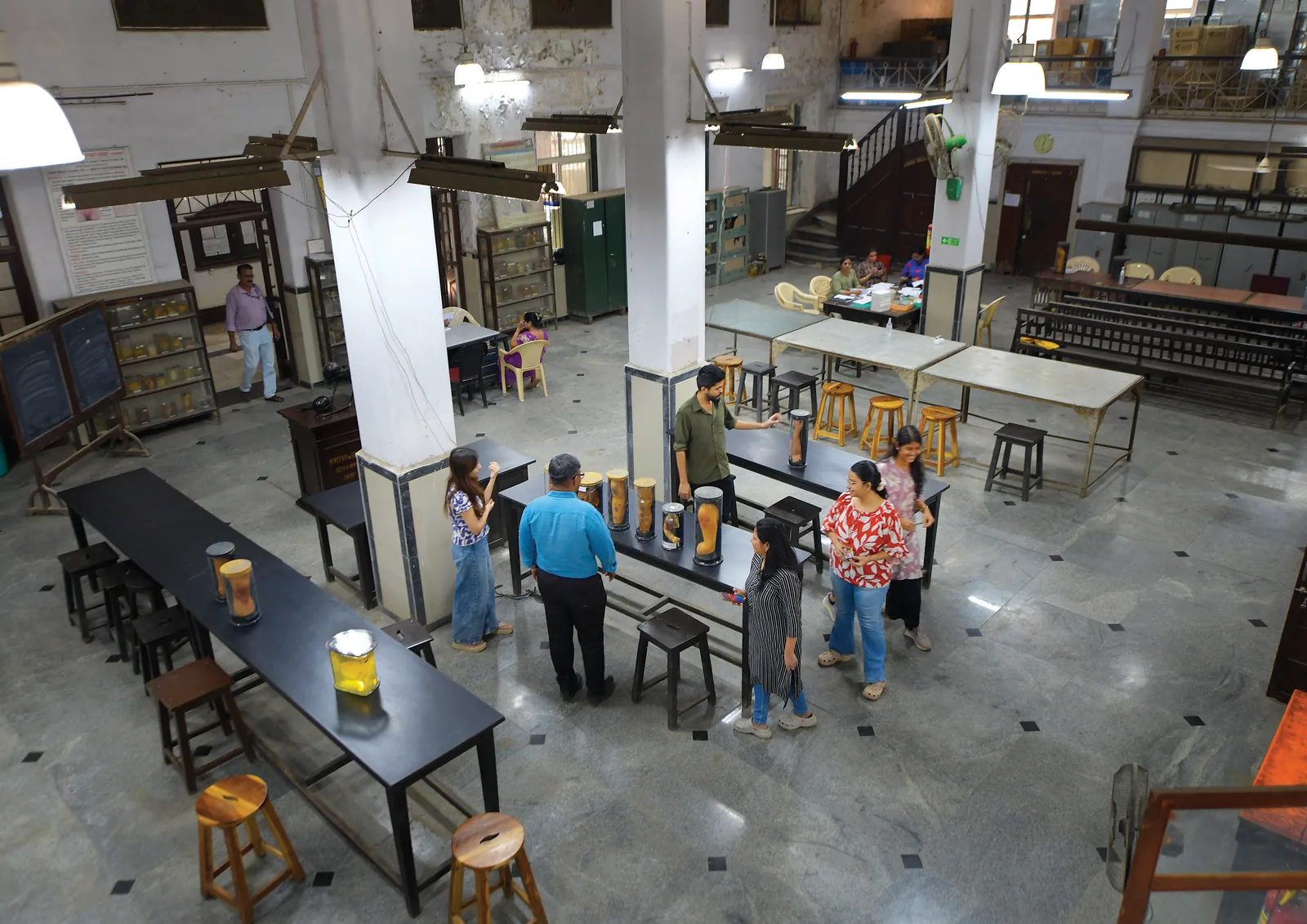
Small laboratory spaces were developed within the hospital complex. The medical gazette describes doctors examining blood, tissue and bodily fluids, adopting newer scientific tools like microscopes. Disease was no longer seen only from the outside; through blood smears, sputum samples and bacteria multiplying under a microscope, doctors now tried to picture what happened inside the patient’s body.
Detailed records of outbreaks and patient outcomes were kept. Charts tracked fever patterns, and mortality rates were calculated. This helped the hospital and doctors to notice seasonal trends.
These meticulously maintained records began to reveal patterns of illness rising with every monsoon deluge, and easing in the dry season. These patterns allowed doctors in Bombay to connect illness with water supply, sanitation and overcrowding. What they observed inside Sir JJ Hospital influenced wider discussions on public health across the Bombay Presidency.
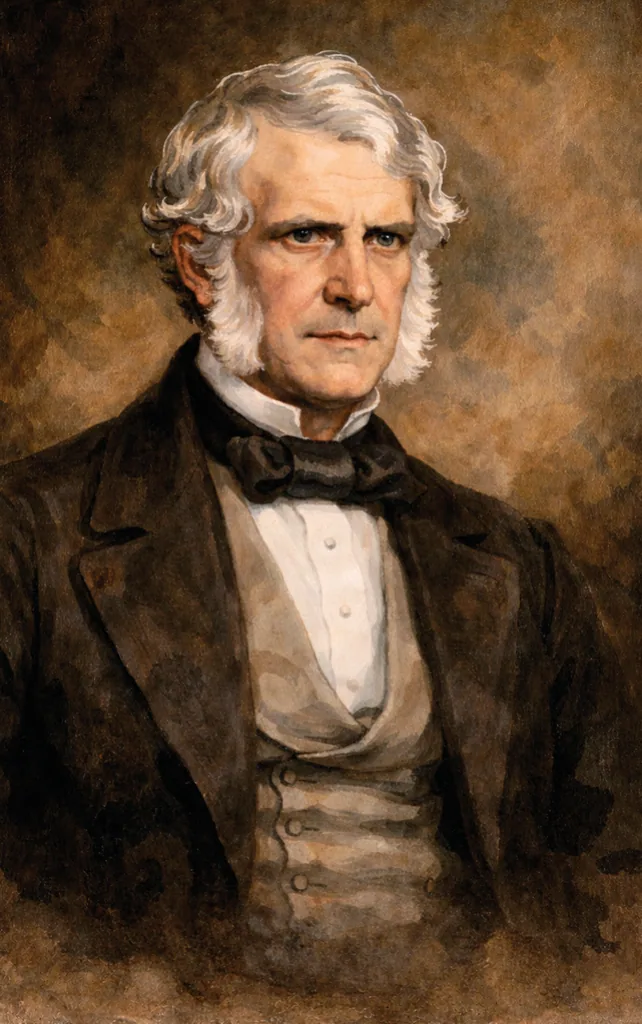
One of the doctors who played a key role in shaping this new approach was Dr Charles Morehead, principal of Grant Medical College and also president of the Bombay Medical and Physical Society.
Dr Morehead strongly supported learning rooted in local observations. His writings encouraged doctors to study diseases as they appeared in India rather than relying solely on European descriptions. Under his guidance, students were trained to notice how climate, diet and work conditions affected health.
Bombay’s heat worsened infections as monsoons spread waterborne diseases. Crowded labour settlements also caused respiratory illness to spread. These everyday realities were not in the textbooks, but they became part of medical education.
Over time, findings of the doctors and students at JJ Hospital and Grant Medical College began to be shared in journals across the British Empire, contributing to the growing field of tropical medicine. Slowly, JJ Hospital, and then Bombay itself, grew to be an important centre for understanding tropical diseases.
Dr Morehead strongly supported learning rooted in local observations. His writings encouraged doctors to study diseases as they appeared in India rather than relying solely on European descriptions.
Grant Medical College soon began producing doctors trained in clinical practice, surgery and scientific observation. These graduates went on to serve in hospitals, military units and towns across western India. The college helped create one of the earliest generations of formally trained Indian doctors in western medicine. Their training remained closely tied to the lives of Bombay residents.
By the middle of the 19th century, Sir JJ Hospital had become more than a place of care. It treated thousands each year, and trained doctors who served across the region, while producing knowledge shaped by Bombay’s specific conditions.
Through bedside teaching, anatomy lessons and early scientific study, medicine in the city took on a new form that was practical, observational and closely linked to everyday life.
Within these wards and laboratories, the foundations of modern medical education in western India were laid.