Part III – Continuity and Change
Chapter VIII
A Hospital Leads The Way
Pages 95–109
Renowned for establishing national firsts across medicine, surgery, paediatrics, cardiology, neurosciences, HIV care and community health, Grant Government Medical College and Sir JJ Group of Hospitals has long shaped clinical practice, medical education and public health policy in India.

Across departments, it has pioneered innovations within the public sector while delivering sustained, high-quality care to millions. Blending historic legacy with scientific advancement, JJ Hospital represents a rare institution where excellence and equity have advanced together, setting benchmarks that continue to influence healthcare in Maharashtra and across the country.
HIV Care: A National First
The Department of Medicine at Grant Government Medical College and Sir JJ Group of Hospitals has played a pioneering role in the history of HIV care in India. In 1993, JJ Hospital became the first institution in the country to establish a dedicated HIV Out-Patient Department, well before the national HIV/AIDS programme was formally rolled out.
This initiative was undertaken under the leadership of Padma Shri Dr Alaka Deshpande, whose commitment ensured that patients received scientific, ethical and compassionate care at a time when HIV was poorly understood and deeply stigmatised. The HIV OPD at JJ Hospital began functioning even before the National AIDS Control Organisation conceptualised or initiated ART centres in India.
Recognising both the growing patient load and the quality of care delivered, NACO established the country’s first ART Centre at JJ Hospital in 2004. Today, JJ Hospital remains the only hospital in India with two ART Centres operating within the same campus, reflecting the scale of need and the institution’s clinical credibility.
Subsequently designated as a Centre of Excellence for HIV Care, Grant Government Medical College and Sir JJ Group of Hospitals serves as a tertiary referral centre for complex cases from across Maharashtra and beyond. Patients with ART failures, multiple drug toxicities and complicated opportunistic infections continue to be referred here for advanced management.
The Centre of Excellence functions not only as a treatment facility but also as a mentoring, training and research hub. It trains physicians from across Maharashtra and contributes significantly to research in HIV, tuberculosis and related diseases. Through decades of clinical service, teaching and research, the Department of Medicine has set enduring benchmarks, becoming a cornerstone of India’s public health response to HIV.
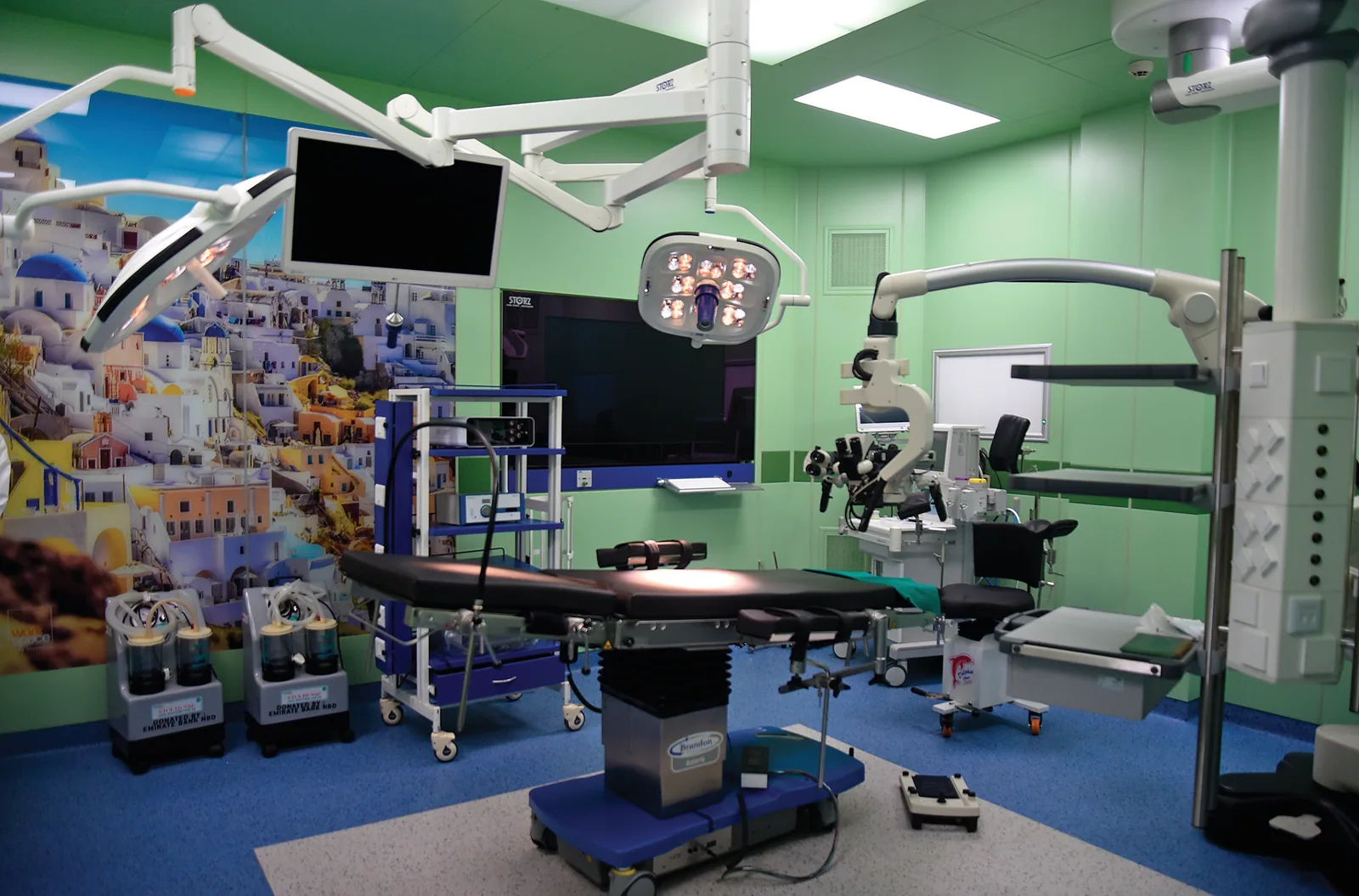
India’s First Department of Paediatrics
The Department of Paediatrics at Grant Government Medical College and Sir JJ Group of Hospitals occupies a singular place in India’s medical history. Established in 1920 by Dr Coelho as the Institute of Child Health, it was the country’s first paediatric department and laid the foundation for organised child healthcare nationwide.
Over the decades, the department produced influential clinicians and thought leaders, including Dr P M Udani, Dr Lokeshwar and Dr Y K Amdekar, whose work shaped paediatric practice, research and policy in India and beyond.
The State Paediatric Centre of Excellence for Tuberculosis serves as a major referral hub for Maharashtra and western India.
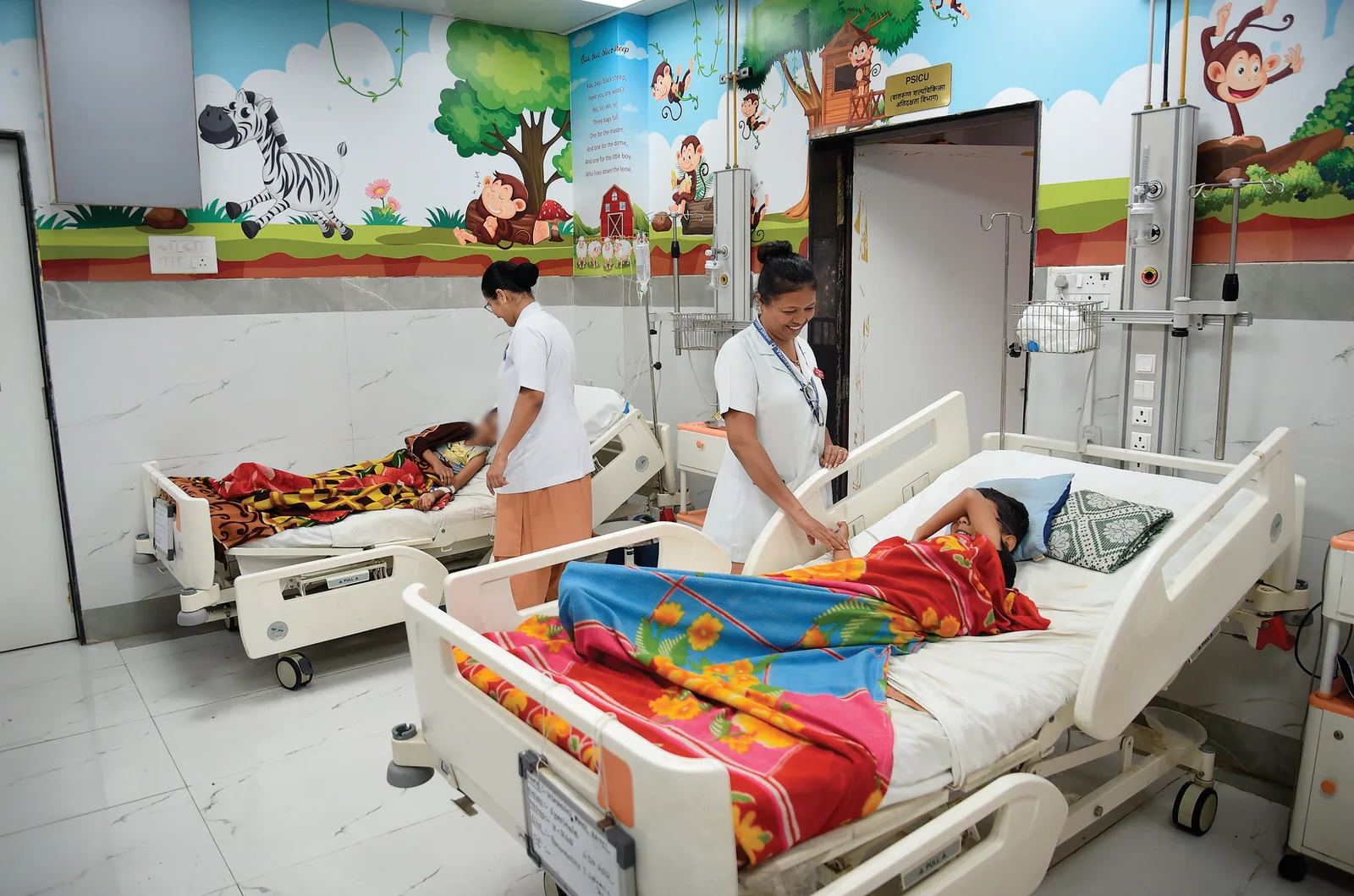
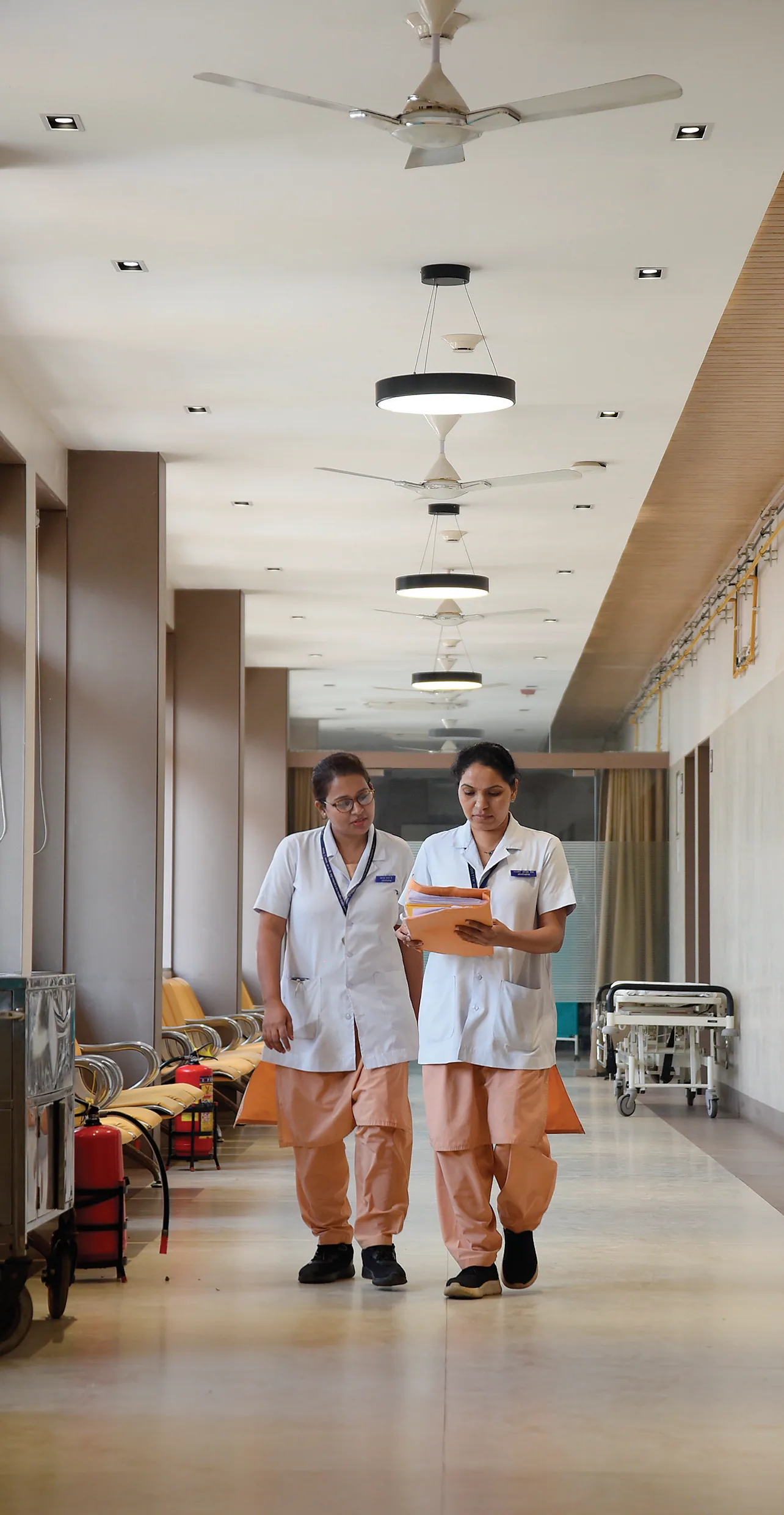
The interiors of a paediatric surgery ward In the nursing home, nurses prepare to start their shift
Today, the department continues this legacy with 120 beds across four units, an 11-bedded PICU (being upgraded to 18 beds), a 20-bedded NICU, a dedicated paediatric physiotherapy centre, and the first Human Milk Bank in a government-run hospital. Universal newborn screening through ROP and OAE services reflects its emphasis on early diagnosis and prevention.
Designated as the State Paediatric Centre of Excellence for Tuberculosis, the department serves as a major referral hub for Maharashtra and western India. With advanced sub-specialties including paediatric pulmonology, gastroenterology, hepatology, nephrology and rheumatology and Maharashtra’s first government-run paediatric asthma and pulmonology services, it remains a living institution where history and innovation converge in the service of children.
Established in 1920 by Dr Coelho as the Institute of Child Health, it was the country’s first paediatric department and laid the foundation for organised child healthcare nationwide.
Department of Cardiology
Established in 1970 under the leadership of Dr T H Tulpule, the Department of Cardiology at Sir JJ Hospital rapidly emerged as a centre of academic and clinical distinction. It produced its first DM cardiologist, Dr Satish Vaidya, and under leaders such as Dr Shantilal Shah and Dr B K Goyal, it achieved several historic milestones.
These included Mumbai’s first angioplasty in 1988, national public-hospital firsts such as the use of the rotablator, and pioneering procedures including balloon pulmonary valvotomy and biventricular pacemaker implantation. Landmark cases, from life-saving coarctoplasty in a 17-day-old neonate to pacemaker implantation in a 102-year-old freedom fighter, epitomise a tradition of innovation and care across generations.
Under the leadership of Dr Kalyan Munde (2021–present), the department continues to excel in primary angioplasty, rotablator-assisted PCI, IVUS, OCT and FFR-guided interventions, TAVI, mitral valvuloplasty, complex stenting, pacemakers, ICDs and device closures.
Department of Community Medicine
A national trailblazer in community-oriented medical education, the Department of Community Medicine established early field practice centres with the Rural Health Training Centre in Palghar in 1956 and the Urban Health Training Centre in Bandra in 1962. UHTC Bandra remains Maharashtra’s only urban training centre with 50 inpatient beds and advanced diagnostic facilities.
The department pioneered intradermal anti-rabies vaccination, adult immunisation and public-sector travel health services, including Yellow Fever and Oral Polio vaccination for international travellers. Through the MRHRU–Dahanu initiative with ICMR, it has emerged as a nationally recognised research leader and a MUHS-designated Centre of Excellence in Epidemiology and Health Research.
In 1993, JJ Hospital became the first institution in the country to establish a dedicated HIV Out-Patient Department, well before the national HIV/AIDS programme was formally rolled out.
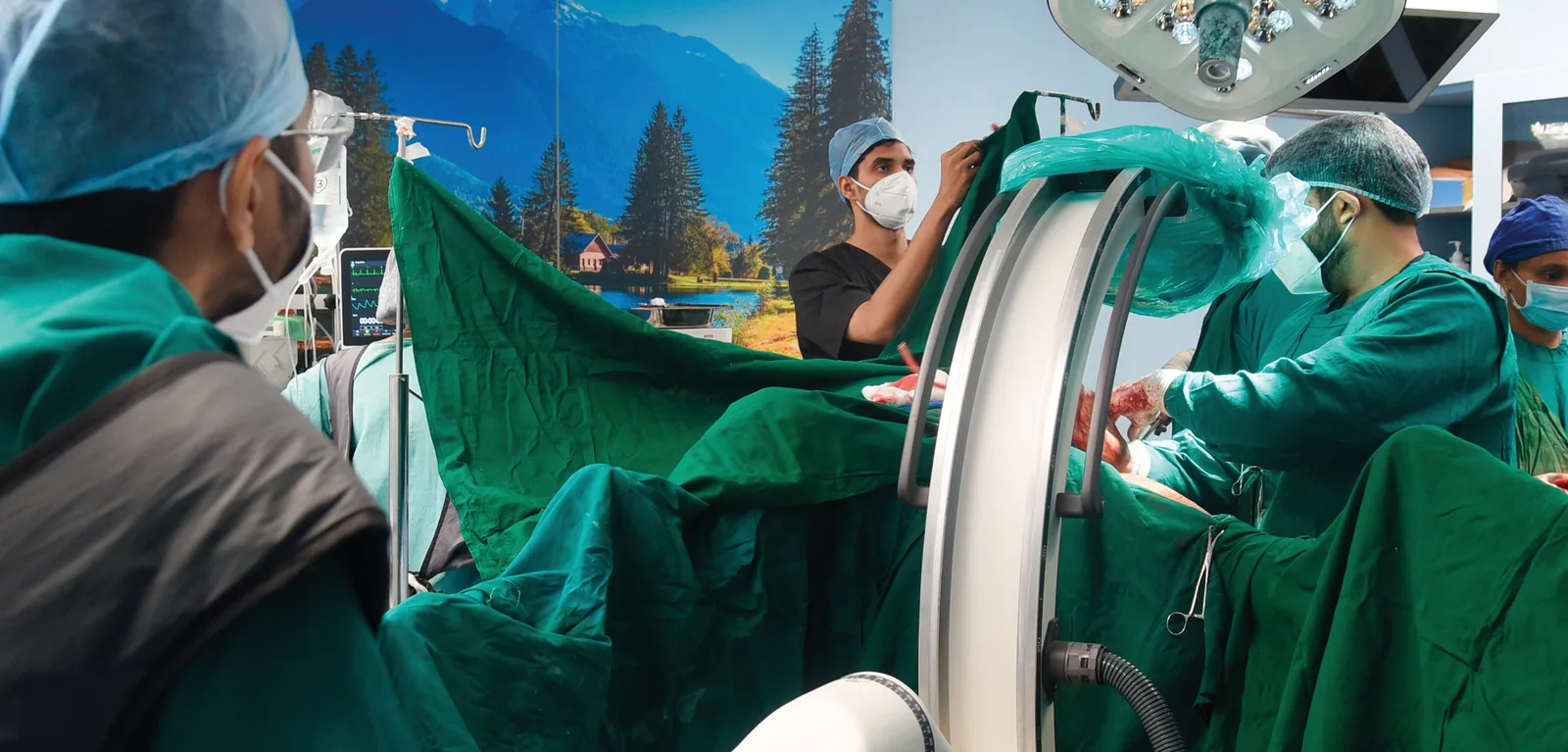
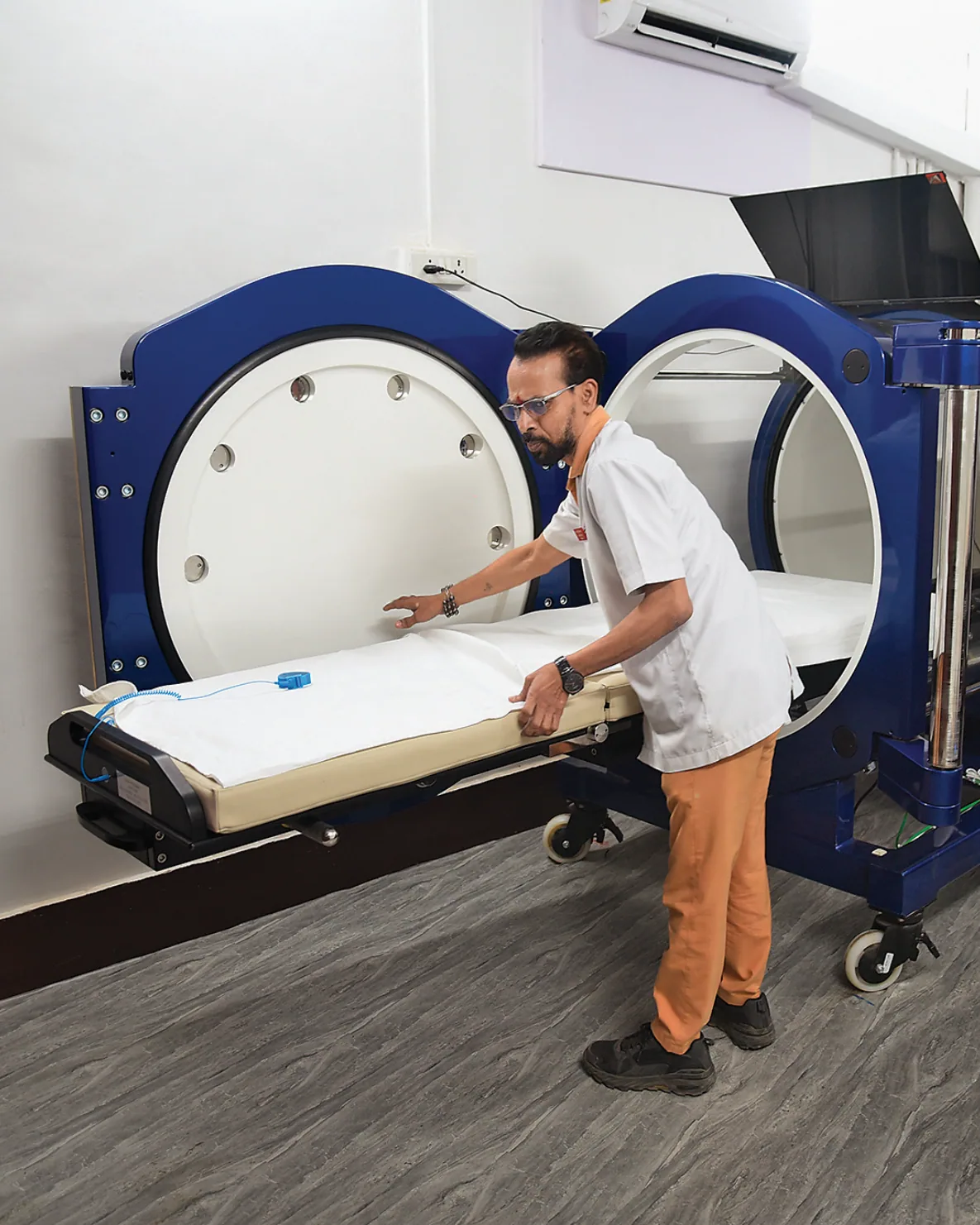
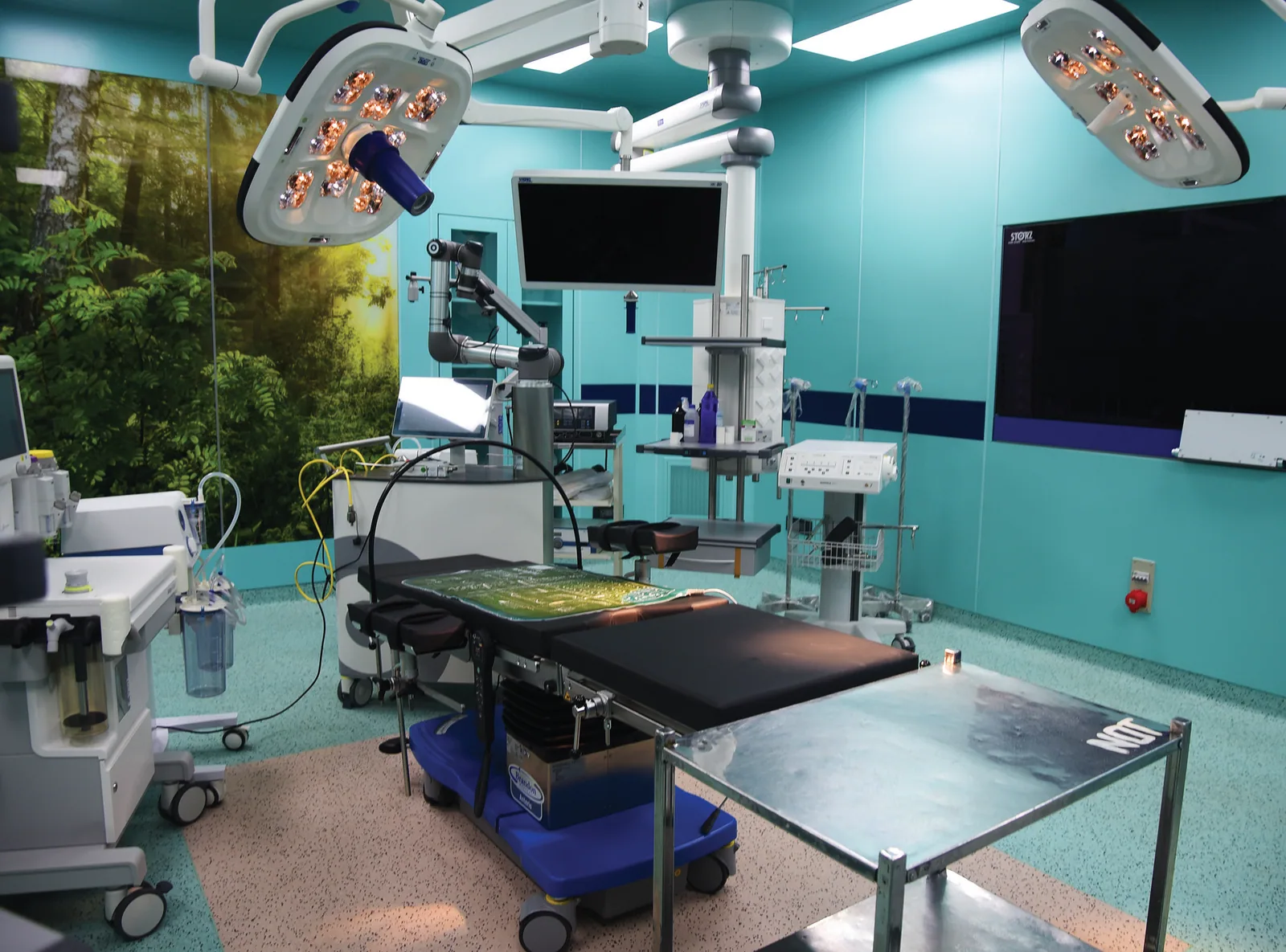
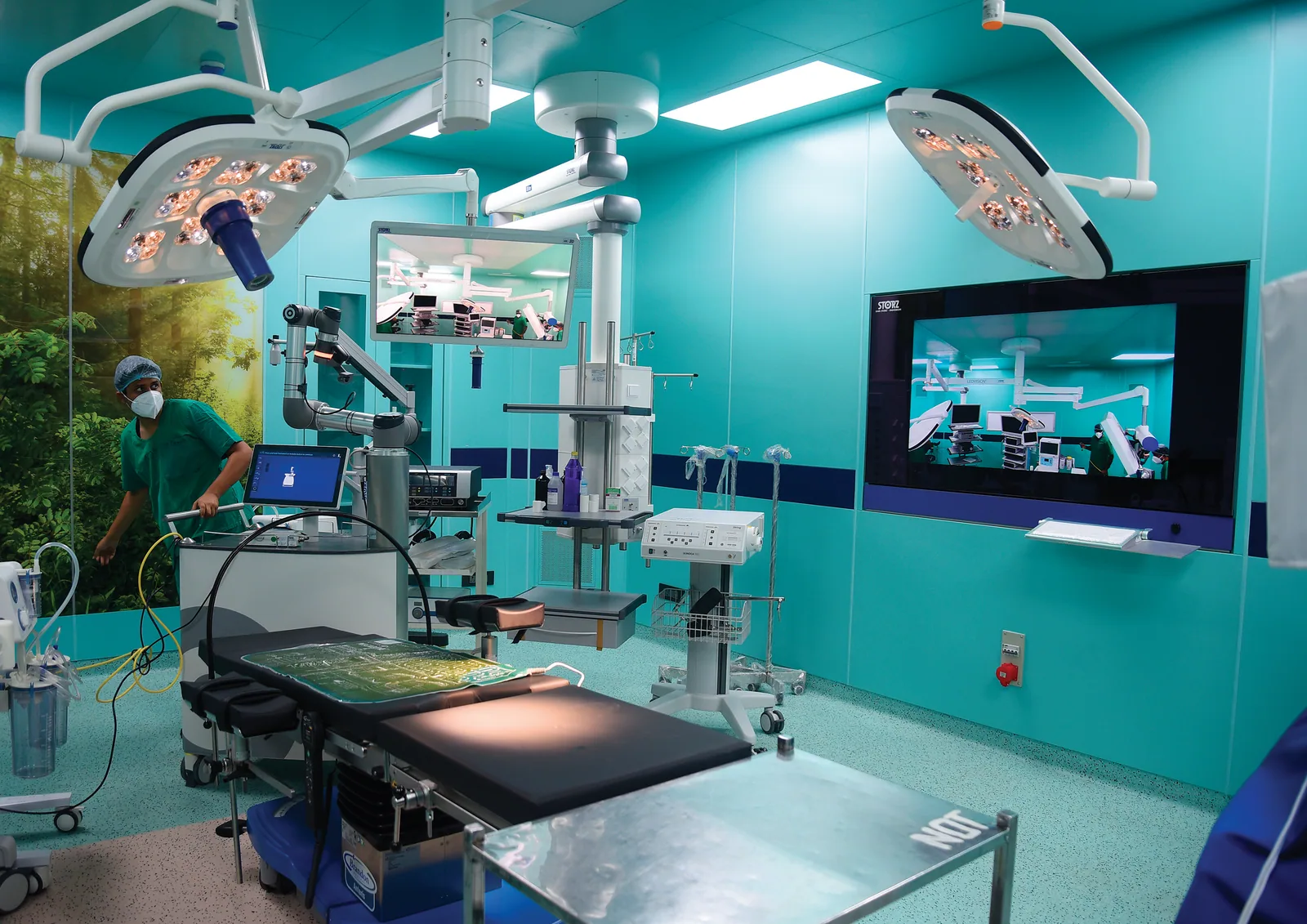
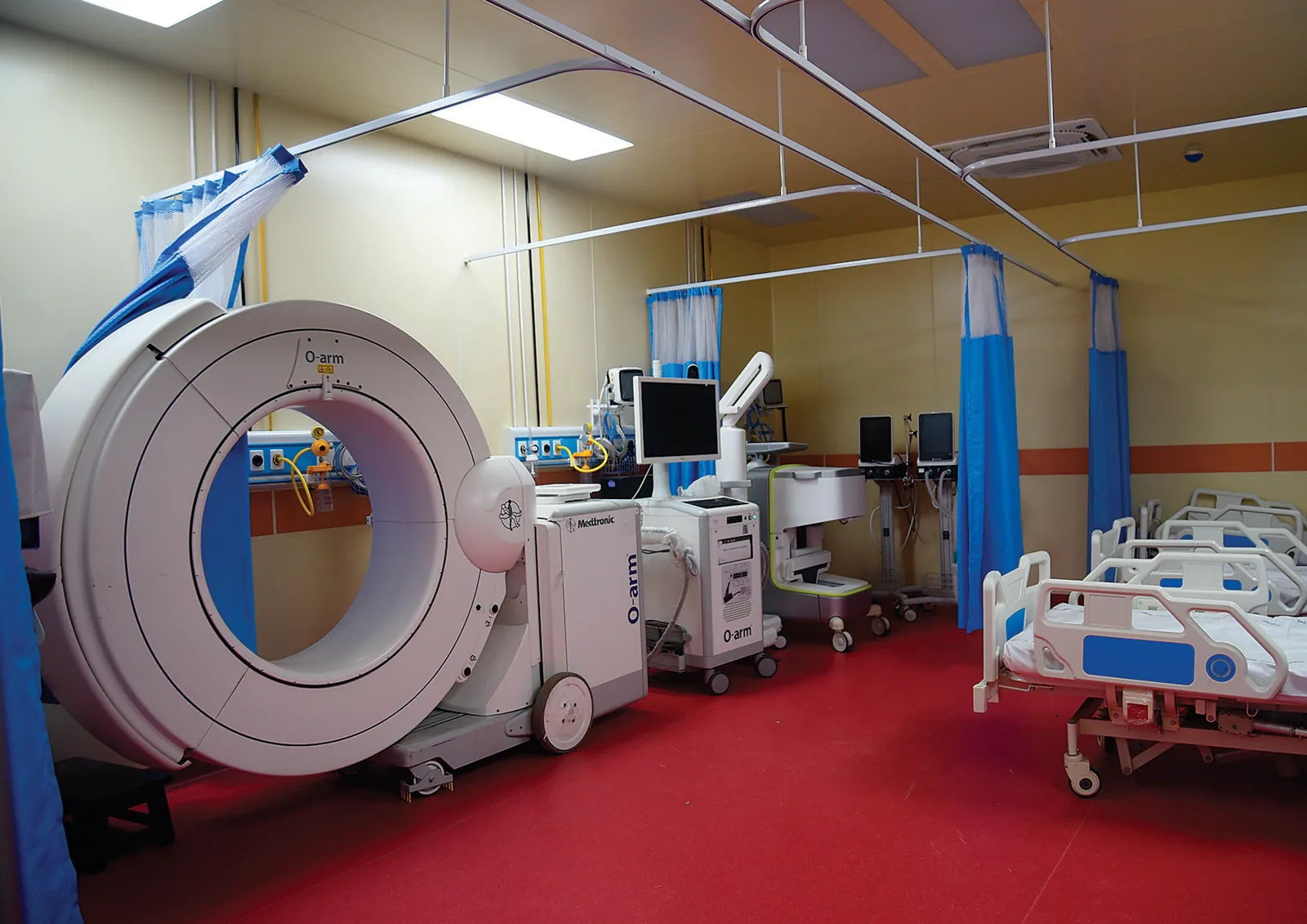
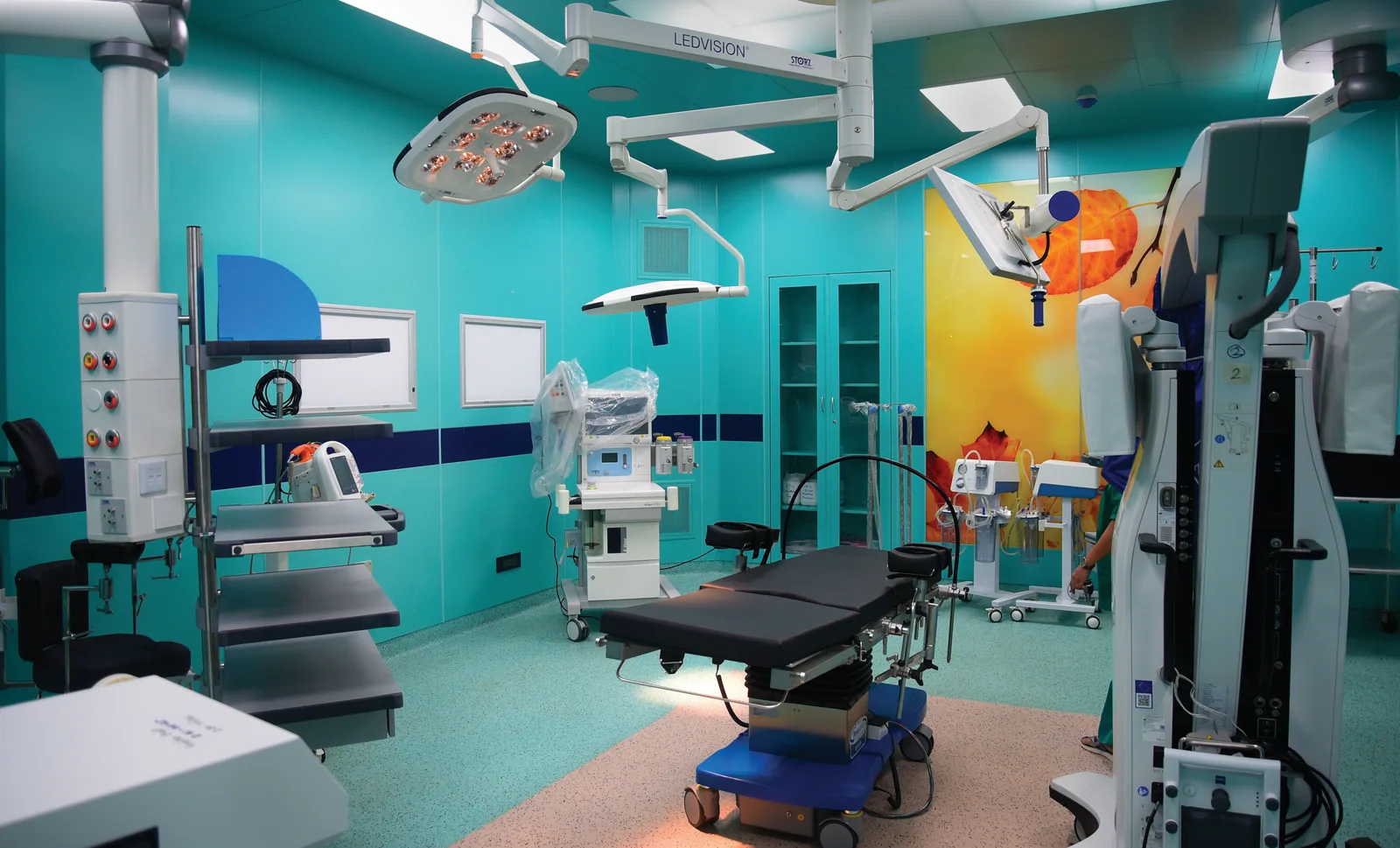
Neurosurgery operation theatres The hyperbaric oxygen therapy center in the neurosurgery ward
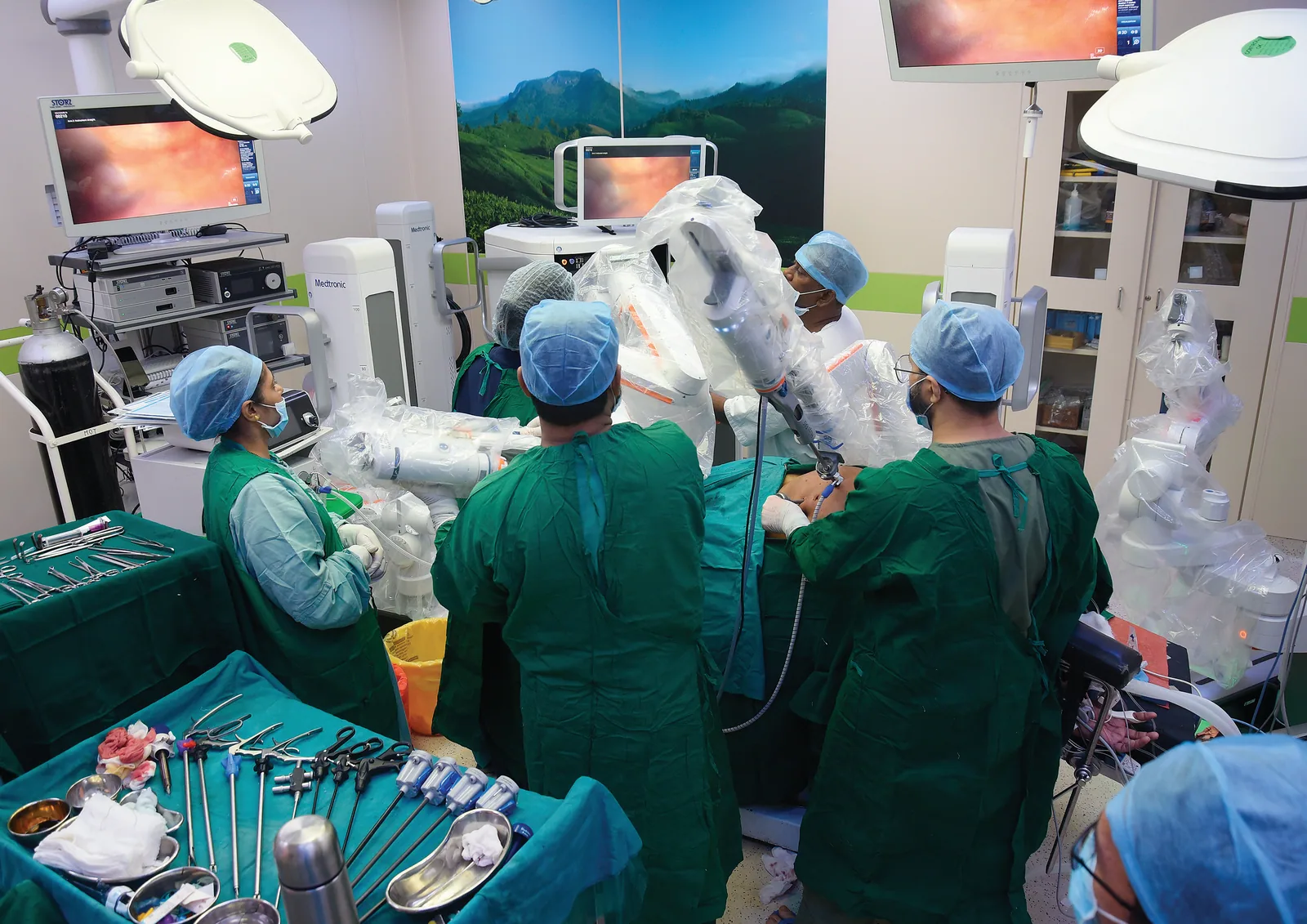
Under the leadership of Prof Dr Ajay Bhandarwar, it became Mumbai’s first government-run hospital to perform a robotic surgery, on 9 April 2025.
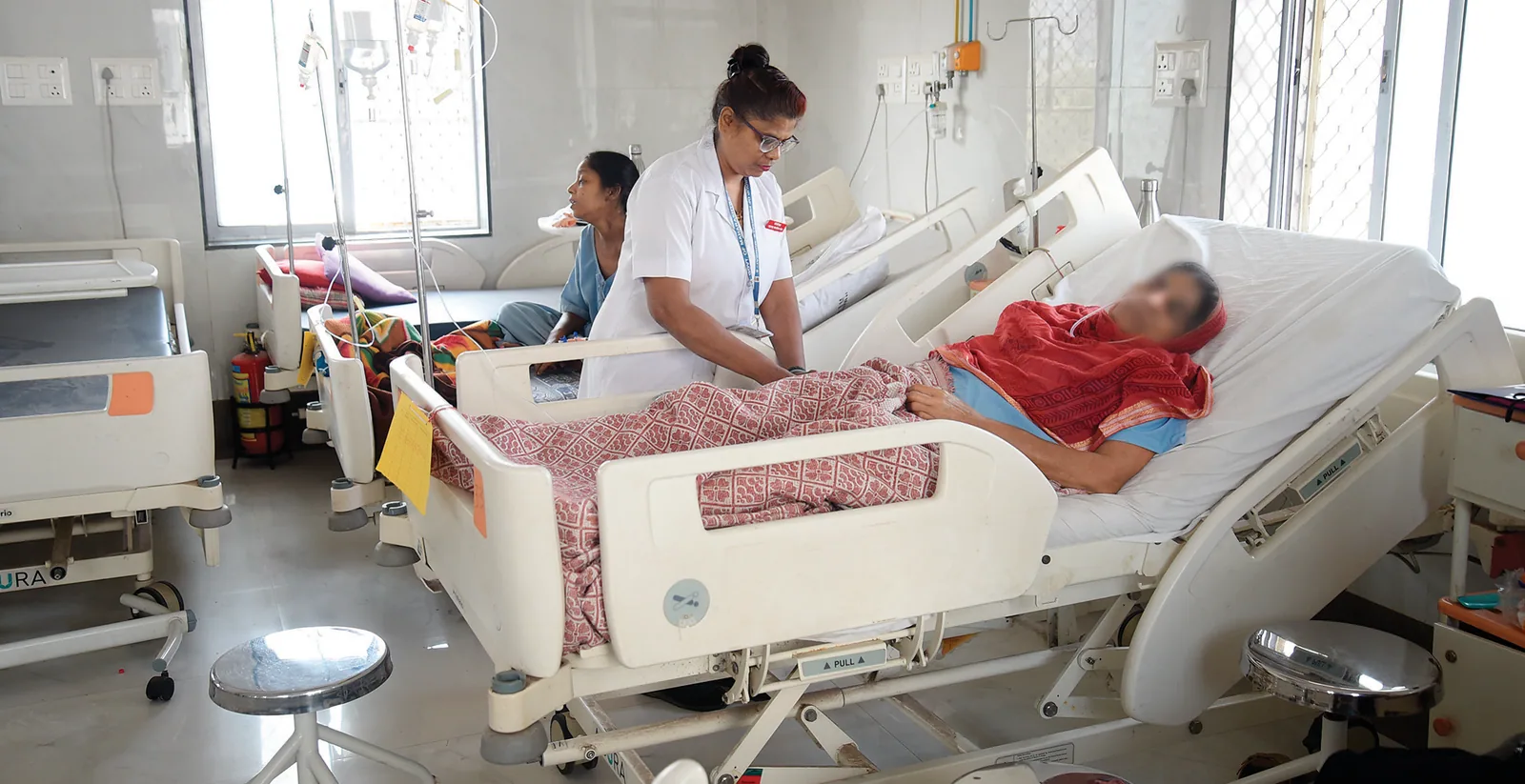
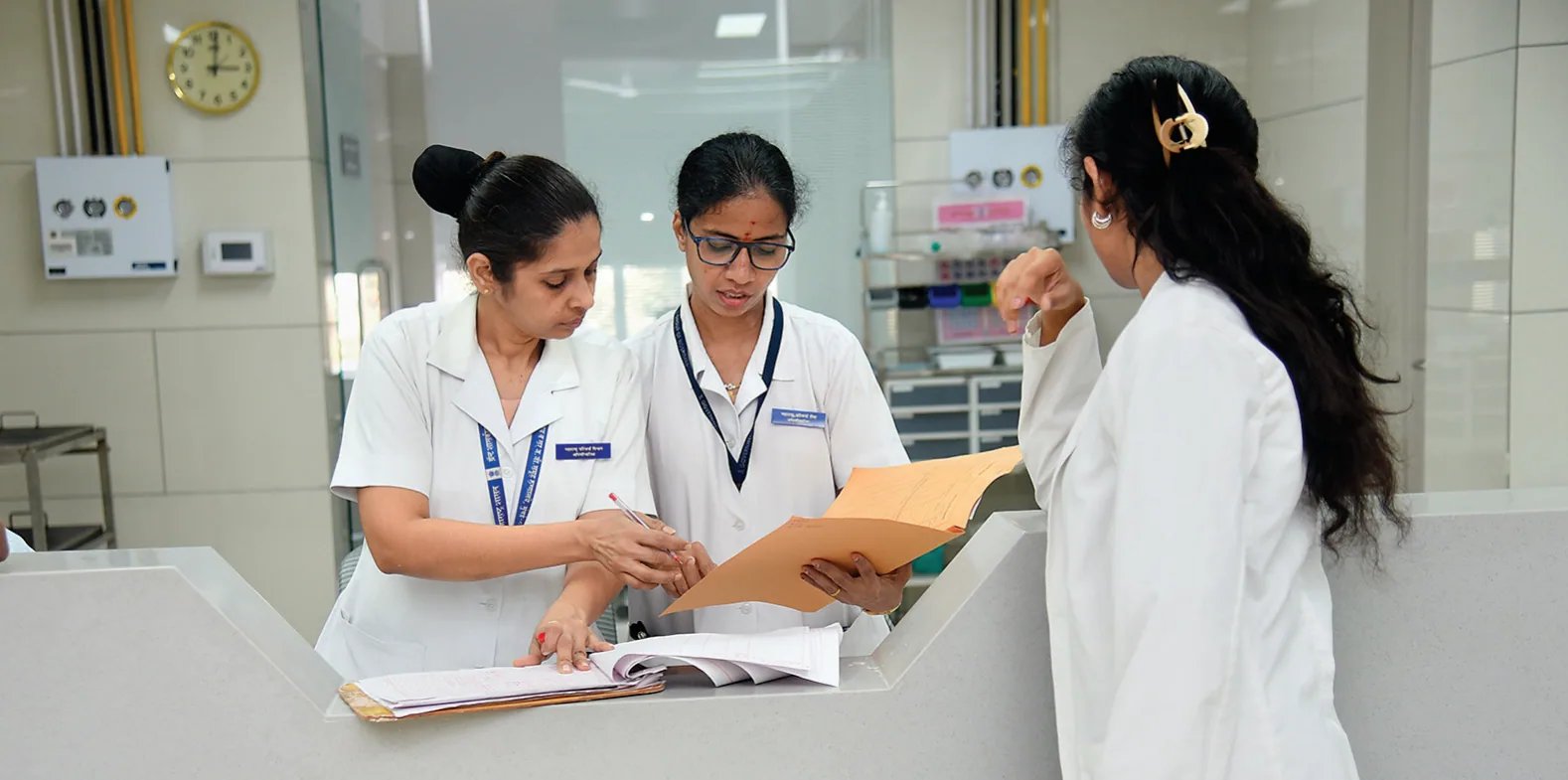
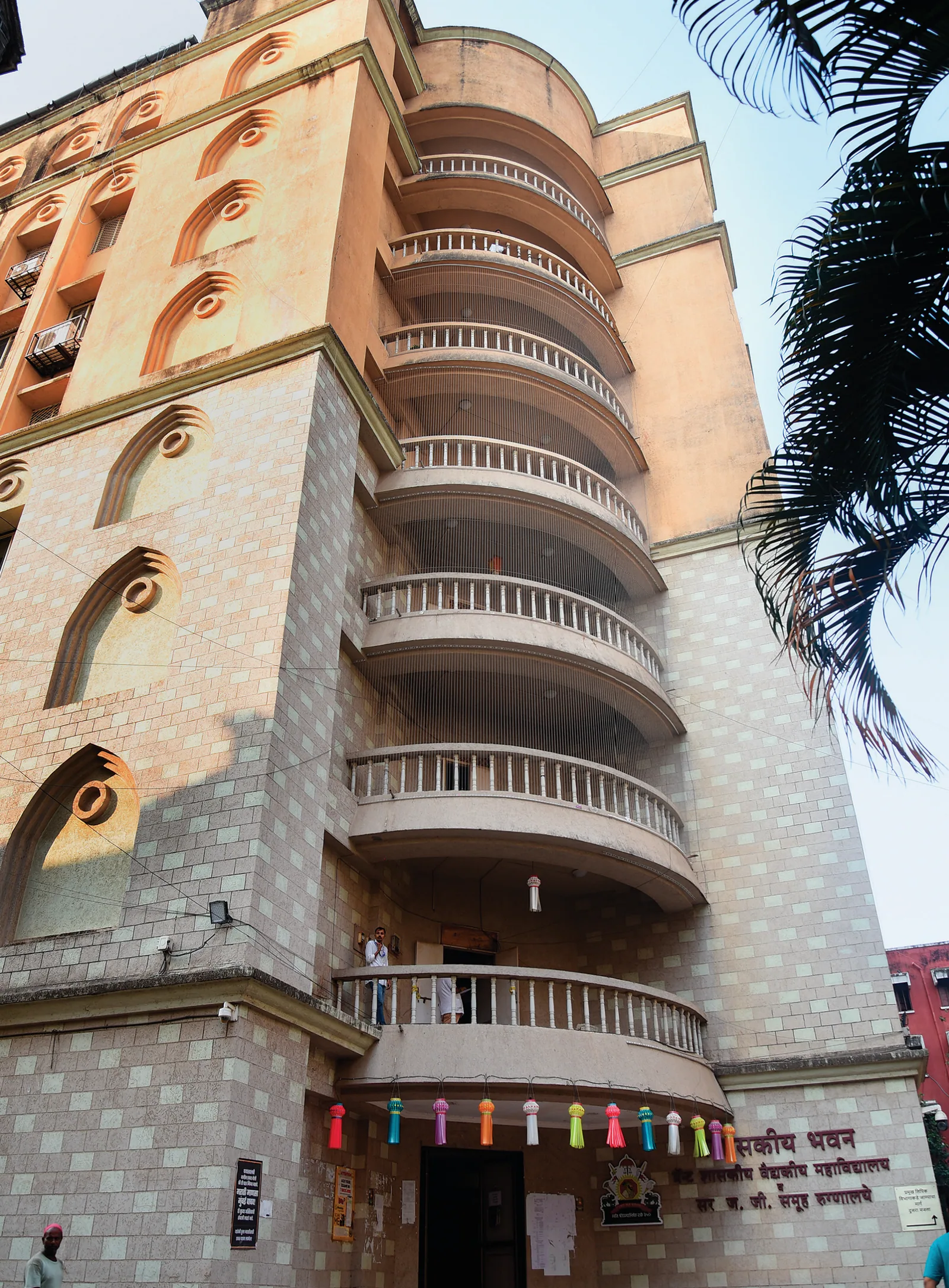
The department achieved numerous national firsts, including advanced endoscopic thyroid and parathyroid surgeries and early adoption of bariatric surgery in a public hospital.
Department of Anaesthesia
Established in 1998, the Department of Anaesthesia pioneered India’s first anaesthesiologist-managed Critical Care Unit. The 24-bedded, fully equipped CCU has played a pivotal role in advancing surgery, trauma care and post-operative management. The department delivers anaesthesia services across surgical and super-specialties, including NORA procedures, pain management and labour analgesia, while leading postgraduate, fellowship and allied healthcare training.
Department of General Surgery
Founded in 1845, the Department of General Surgery at Sir JJ Hospital stands among India’s oldest and most influential surgical departments. It produced the institution’s first MS (Surgery) graduate and nurtured figures such as Dr Tehemton E Udwadia, called the father of laparoscopic surgery in India, who performed the country’s first laparoscopic appendectomy and cholecystectomy here.
The department achieved numerous national firsts, including advanced endoscopic thyroid and parathyroid surgeries and early adoption of bariatric surgery in a public hospital. Under the leadership of Prof Dr Ajay Bhandarwar, it became Mumbai’s first government-run hospital to perform robotic surgery on 9 April 2025.
The department has received multiple international awards, including best video awards from 2016 to 2019 at the Society of Gastrointestinal and Endoscopic Surgeons (USA) and consecutive best video prizes at the European Association of Endoscopic Surgery. With extensive outreach, disaster response and over 10,000 surgeries through rural camps, it continues to shape the future of Indian surgery.
Department of Neurology
Established in 1957 by Prof Dr N H Wadia, the Department of Neurology ranks among India’s earliest centres of scientific neurology. Dr Wadia’s pioneering work on Spinocerebellar Ataxia (SCA-2) earned him global recognition and a Padma Shri.
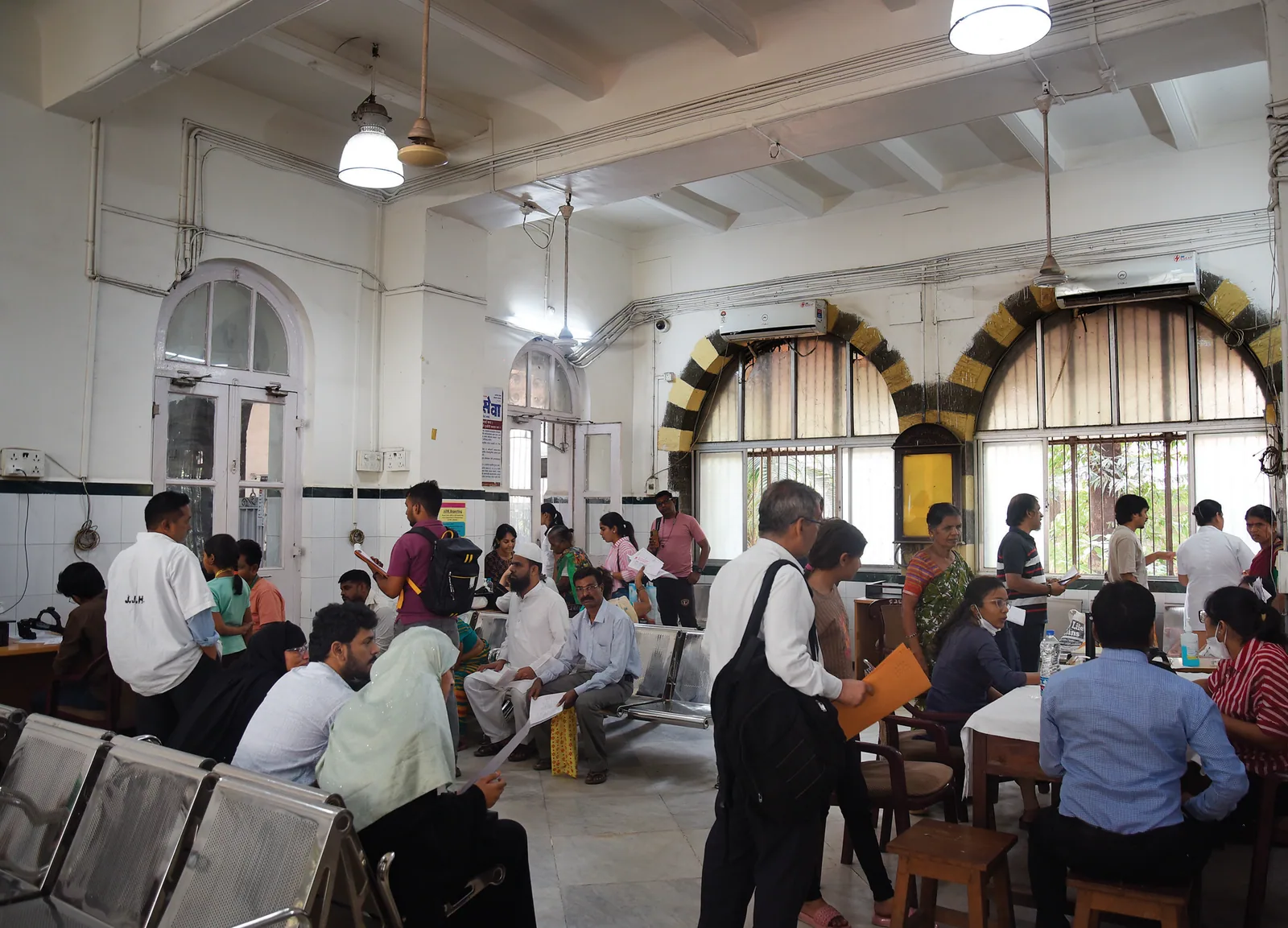
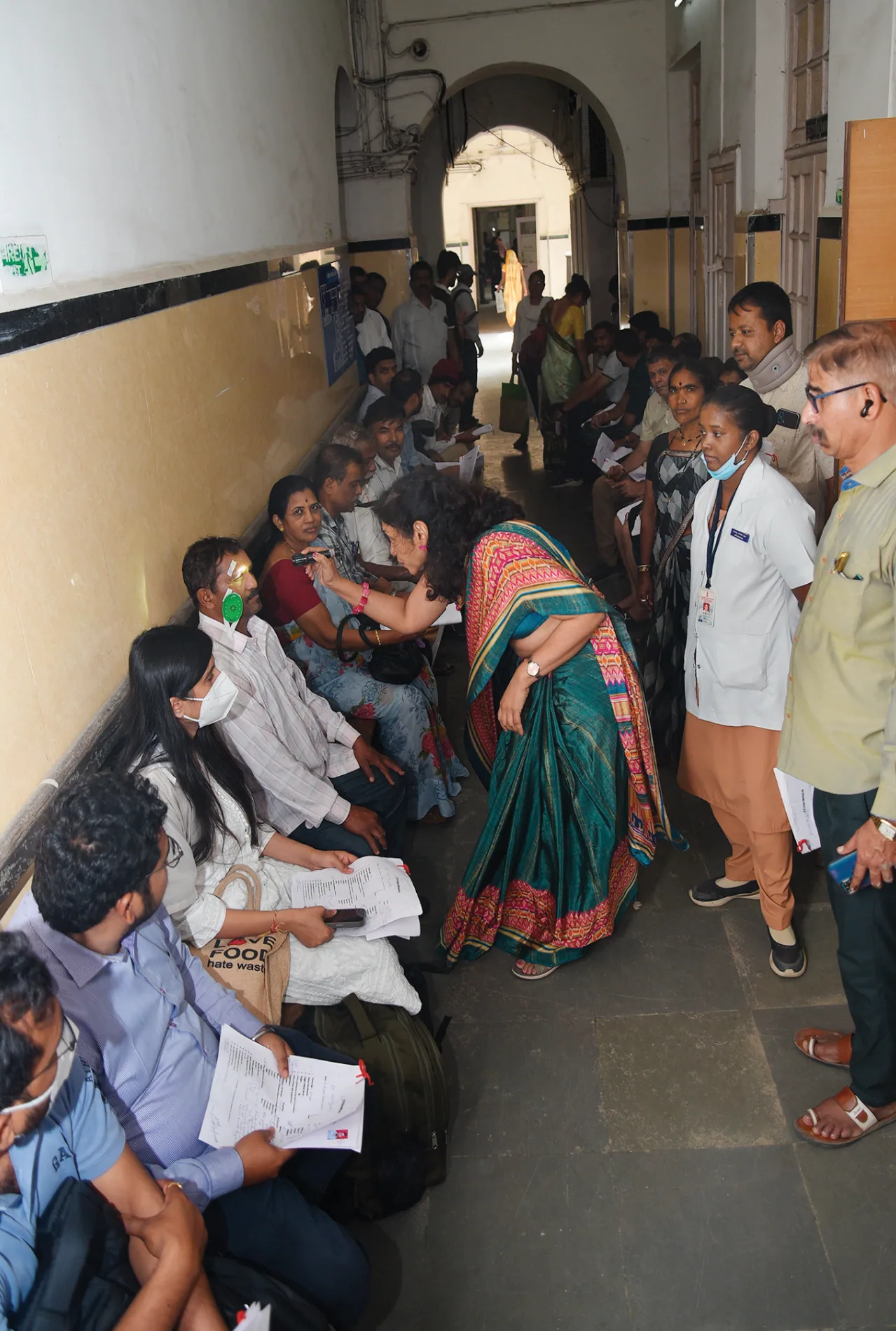
The Burns Association of India was founded here in 1971, reinforcing leadership in burn care. Under Dr Atul Shah, the department became a national leader in leprosy-related hand reconstruction, restoring function and dignity through surgical innovation and outreach.
Dedicated wards inaugurated in 1964 enabled structured research and training. Under Prof B S Singhal, also a Padma Shri awardee, the department produced seminal work in multiple sclerosis and megalencephalic leukodystrophy, commemorated through the Singhal Oration at the World Federation of Neurology. Subsequent leaders further strengthened its reputation through landmark contributions in neuroinfections, neuromuscular disorders and Guillain–Barré syndrome variants.
Department of Neurosurgery
The Department of Neurosurgery at Sir JJ Hospital has been central to India’s neurosurgical journey. Celebrating 50 years in 2008, it established several national firsts, including the introduction of neuroendoscopy and later exoscopy. It was also among the earliest government institutions to initiate robotic neurosurgery, completing over 300 robotic procedures.
With modern infrastructure and a forward-looking vision that includes functional neurosurgery and deep brain stimulation, the department continues to combine innovation with public-sector equity.
Department of Plastic Surgery
The Department of Plastic Surgery has been the site of several historic surgical milestones. In 1966, Padma Shri Dr N H Antia and Dr Buch performed India’s first human microvascular free-flap transfer. Dr M H Keswani later performed the country’s first gender assignment surgery at Sir JJ Hospital.
The Burns Association of India was founded here in 1971, reinforcing leadership in burn care. Under Dr Atul Shah, the department became a national leader in leprosy-related hand reconstruction, restoring function and dignity through surgical innovation and outreach.
Grant Government Medical College and Sir JJ Group of Hospitals also became the first government hospital to offer a free Cosmetic Surgery OPD under Dr Chandrakant Gharwade, expanding postgraduate training. Landmark achievements include hand replantation during the COVID-19 period. The department’s future vision includes leadership in face transplantation, composite tissue allotransplantation, expanded fellowship training and advanced research infrastructure.