
Part III – Continuity and Change
Chapter X
The Work Continues
Pages 121–125
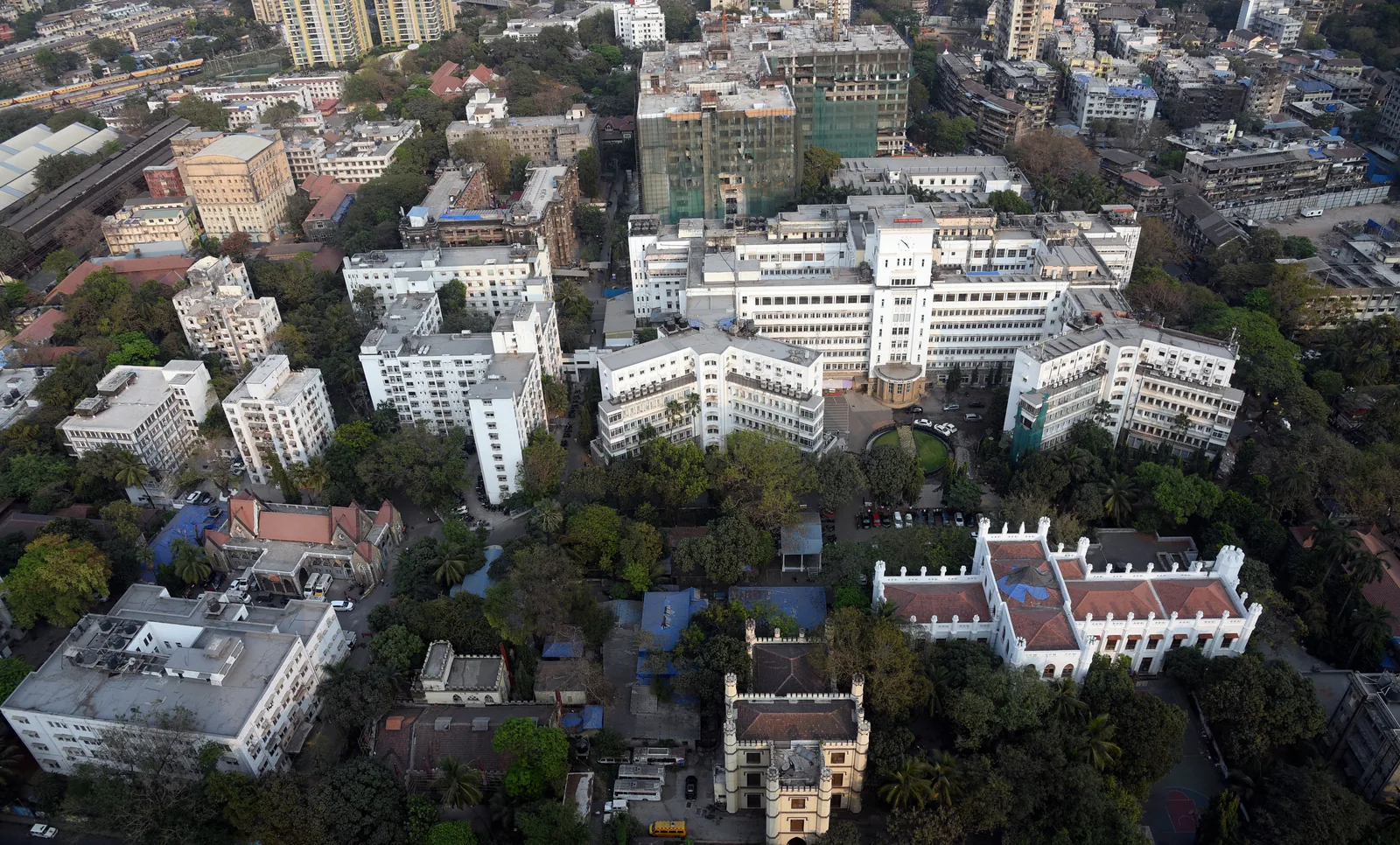
For nearly two centuries, Grant Government Medical College and Sir JJ Group of Hospitals has stood at the centre of India’s public healthcare system. Established in 1845, the institution has treated millions, trained generations of physicians, and remained present through epidemics, wars and social change.

Today, the JJ campus comprises 1,352 beds and serves nearly 1.2 million out-patients and over 80,000 in-patients each year, drawing people from across Maharashtra and central India.
The next phase of its history builds on this foundation. Plans for expanded specialty services, advanced surgical technologies, strengthened cancer care and modern training facilities signal an institution preparing not for spectacle, but for scale, extending complex care within the framework of a public hospital.
A Unified Super Specialty Ecosystem
The upcoming super specialty hospital will bring together 28–30 super specialties such as transplant surgery, gastroenterology, gastrointestinal surgery, rheumatology, hematology, endocrinology, nuclear medicine and other departments under one roof, integrating existing services with new advanced disciplines. The design emphasises continuity of care, diagnosis, treatment, surgery and follow-up within a single, patient-centric environment. The super specialty hospital will include 25 advanced operation theatres, modernised ICUs and critical care units, a new hostel complex with 1,400–1,500 rooms and enhanced residential facilities for healthcare professionals.
Robotic Surgery In Practice
Grant Government Medical College and Sir JJ Group of Hospitals envisions a future where robotic surgery becomes integral to all major surgical specialties. With more than 45 surgeons already trained, robotic platforms are being expanded across the general surgery, gynecology, urology, orthopedics, neurosurgery, ENT and plastic surgery departments. The goal is clear—every surgical trainee from JJ Hospital should graduate with proficiency in robotics, so that these advanced skills travel far beyond metropolitan boundaries.
Tele-Robotic Surgery: Care Beyond The Campus
Tele-robotic surgery represents a powerful leap forward. Specialists at Grant Government Medical College and Sir JJ Group of Hospitals will be able to perform or guide surgeries in remote regions where robotic systems exist but expertise is limited, bringing world-class surgical care to the country’s most underserved areas.
The super specialty hospital will include 25 advanced operation theatres, modernised ICUs and critical care units, a new hostel complex with 1,400–1,500 rooms and enhanced residential facilities.

Cancer Care At The Core
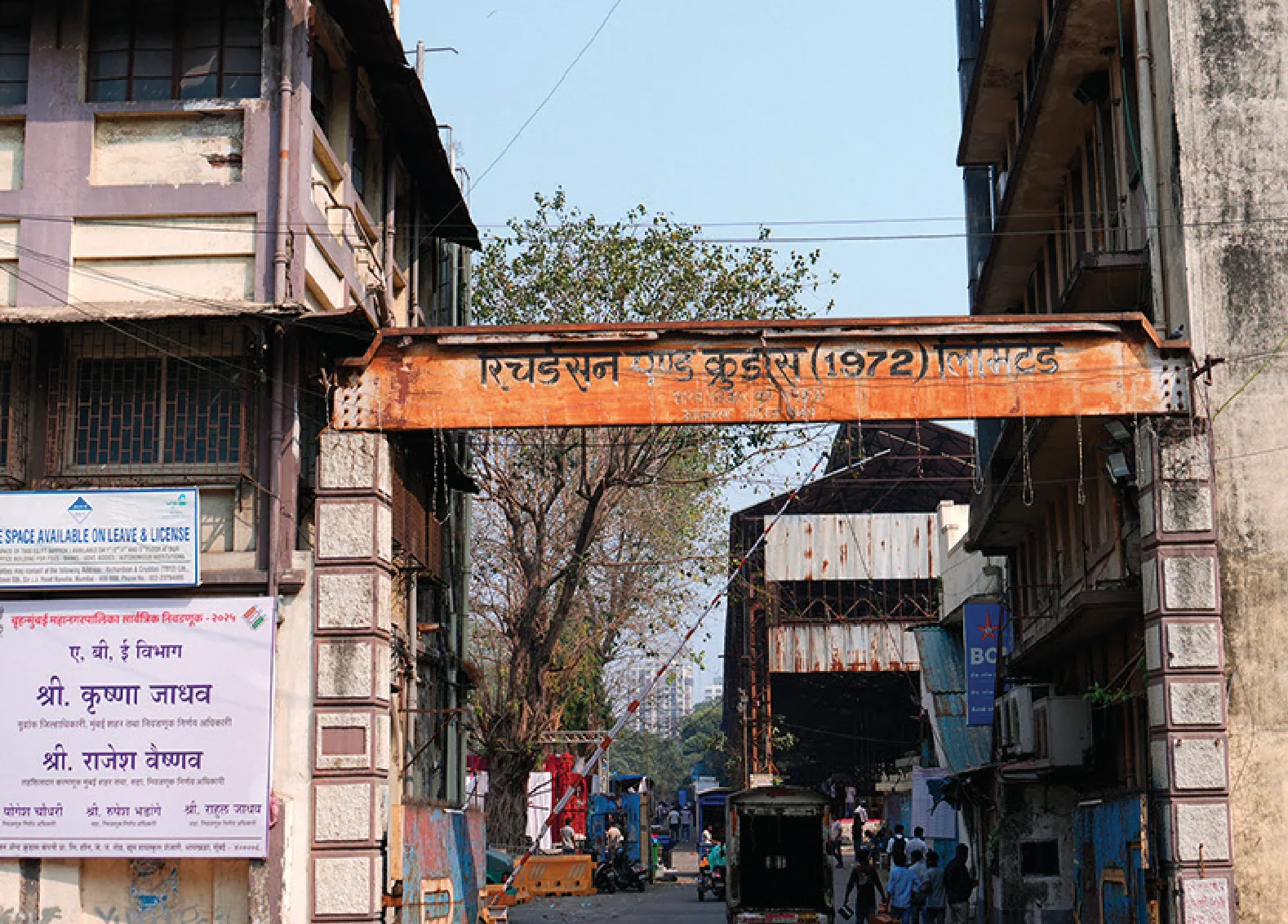
With the land lease of a neighbouring plot of land coming to an end, authorities at the Grant Government Medical College and Sir JJ Group of Hospitals plan to acquire this land to construct a cancer hospital. The hospital envisions dedicated facilities for chemotherapy, radiation therapy and palliative care for patients who require long-term, repeated treatment. Advanced technologies such as Proton Therapy are included in the institution’s long-term vision, reflecting a commitment to precision oncology.
Cadaveric Lab For Tomorrow’s Surgeons
Inspired by leading global centres, a proposed cadaveric training laboratory will redefine surgical education in the public sector. Combining simulation-based learning with hands-on cadaveric training, the facility will support open, laparoscopic and robotic surgery across multiple specialties. This centre will serve not only JJ’s students and residents, but also surgeons from across India and abroad, positioning JJ Hospital as a regional hub for surgical excellence.
Digital, Intelligent, Integrated
Grant Government Medical College and Sir JJ Group of Hospitals is steadily transitioning toward a digitally enabled ecosystem.
Electronic workflows, digitised medical records based on a health management information system (HMIS), AI-enabled robotic systems and data-driven research form the foundation of this transformation, enhancing efficiency and transparency across care delivery.
Ultimately, however, the future of Grant Government Medical College and Sir JJ Hospital will not be measured only in machines or buildings, but in people. In the early light of each day, students will still gather for rounds, nurses will still move from bed to bed, and families will still wait outside the wards. The tools may change, the corridors may widen, but the work remains the same. As it was in 1845, the hospital will wake each morning to a city that comes to it for care.
A cadaveric training laboratory will redefine surgical education in the public sector. Combining simulation-based learning with hands-on cadaveric training, the facility will support open, laparoscopic and robotic surgery.