Part III – Continuity and Change
Chapter IX
The Hospital That Never Sleeps
Pages 111–119
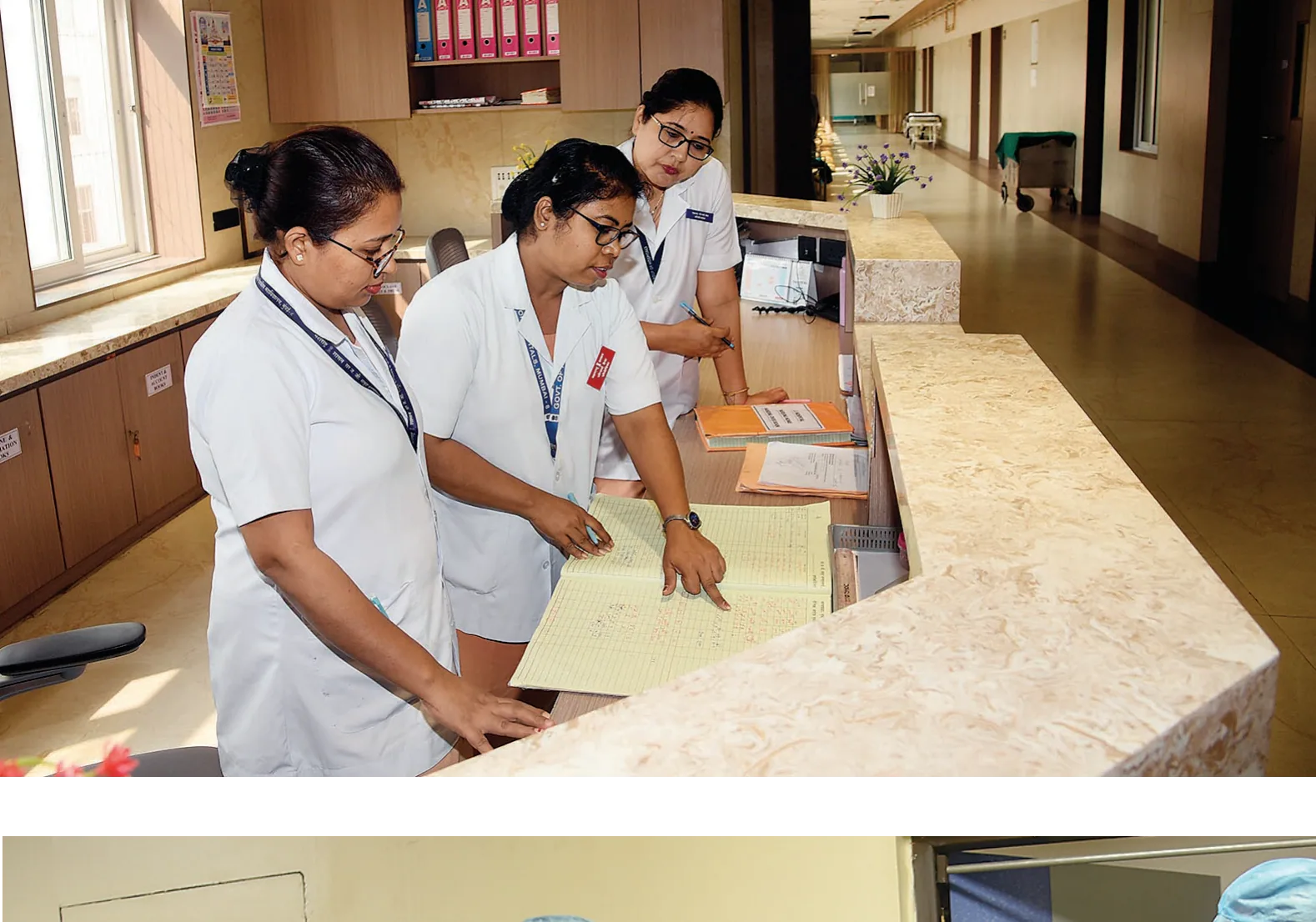
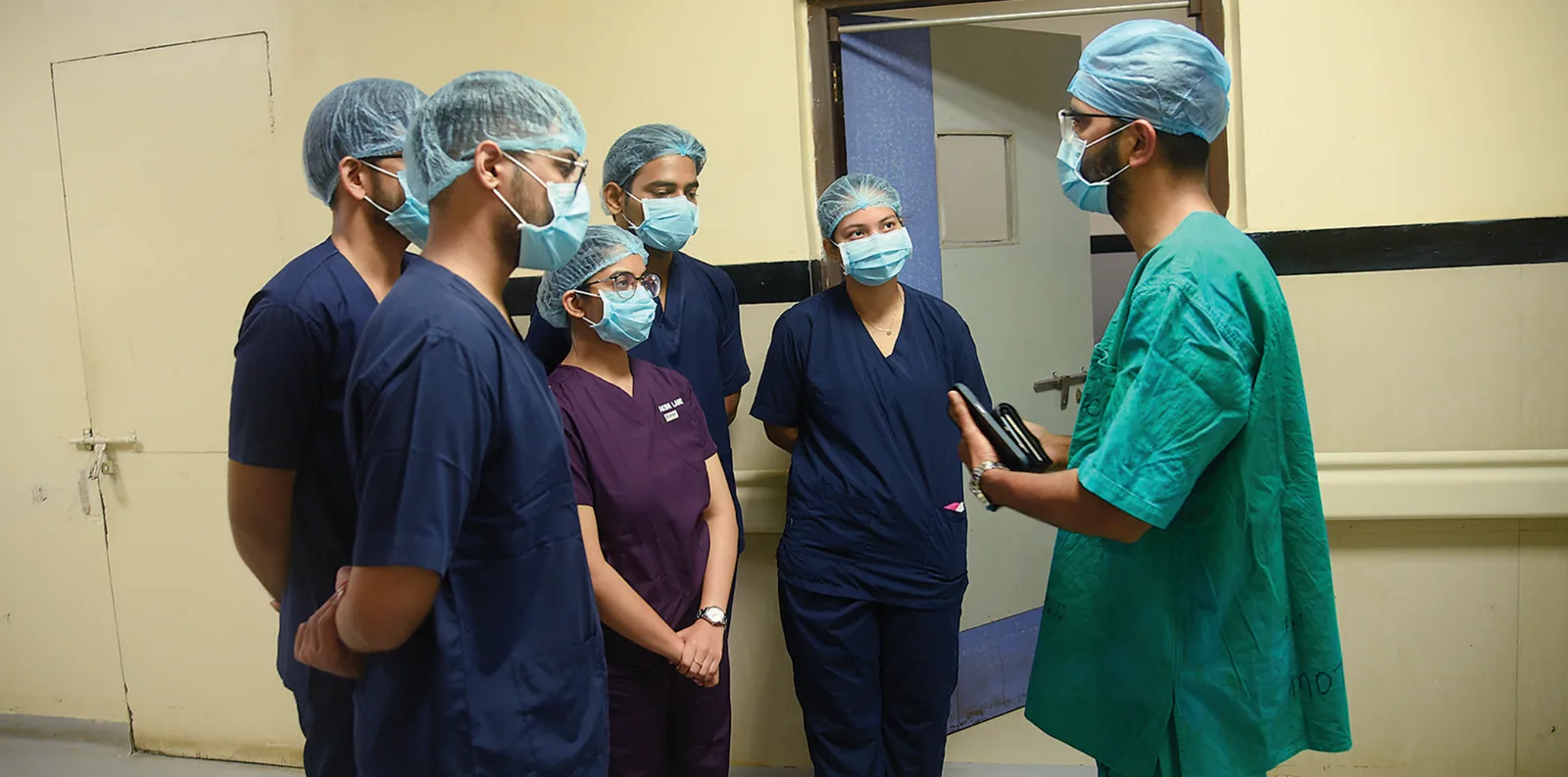
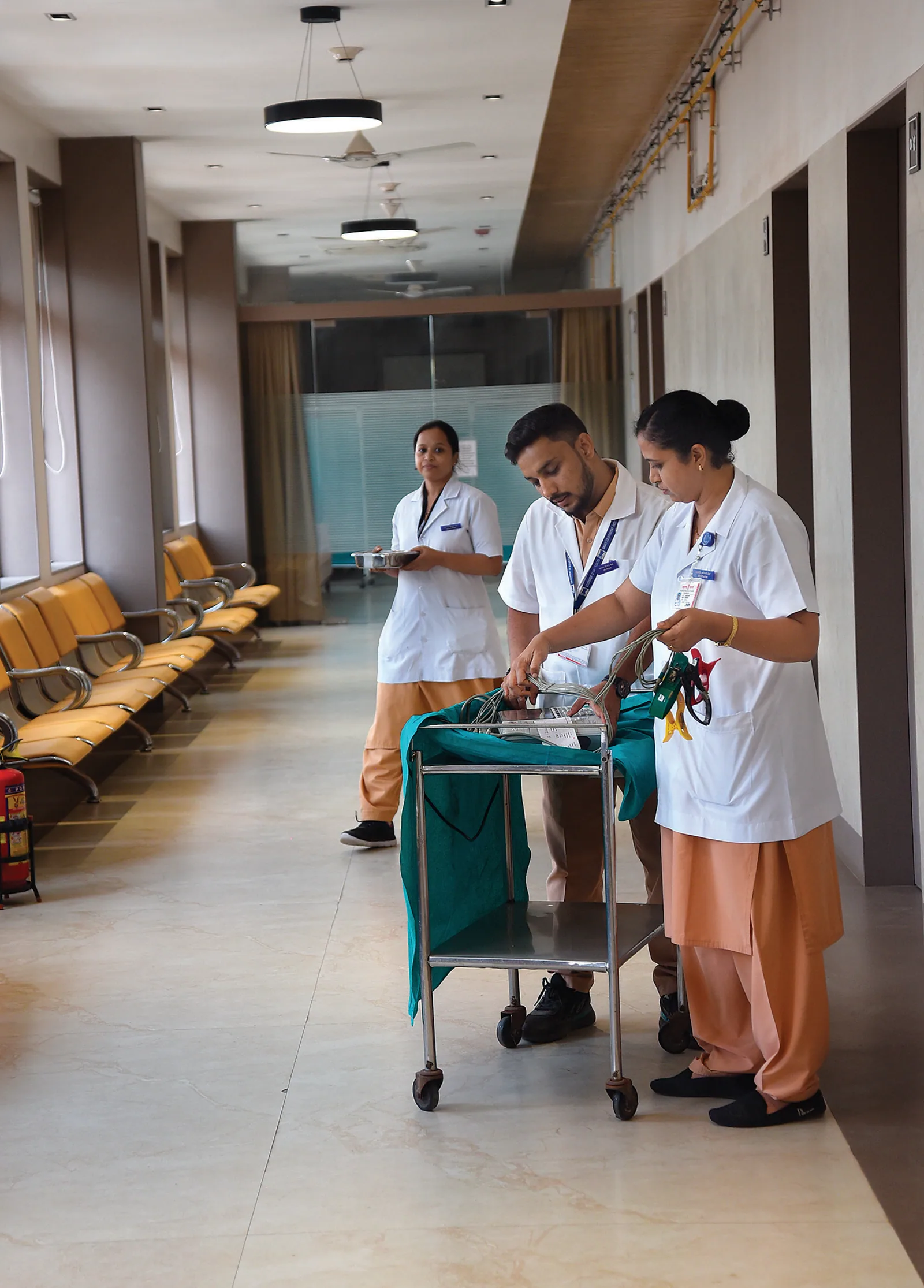
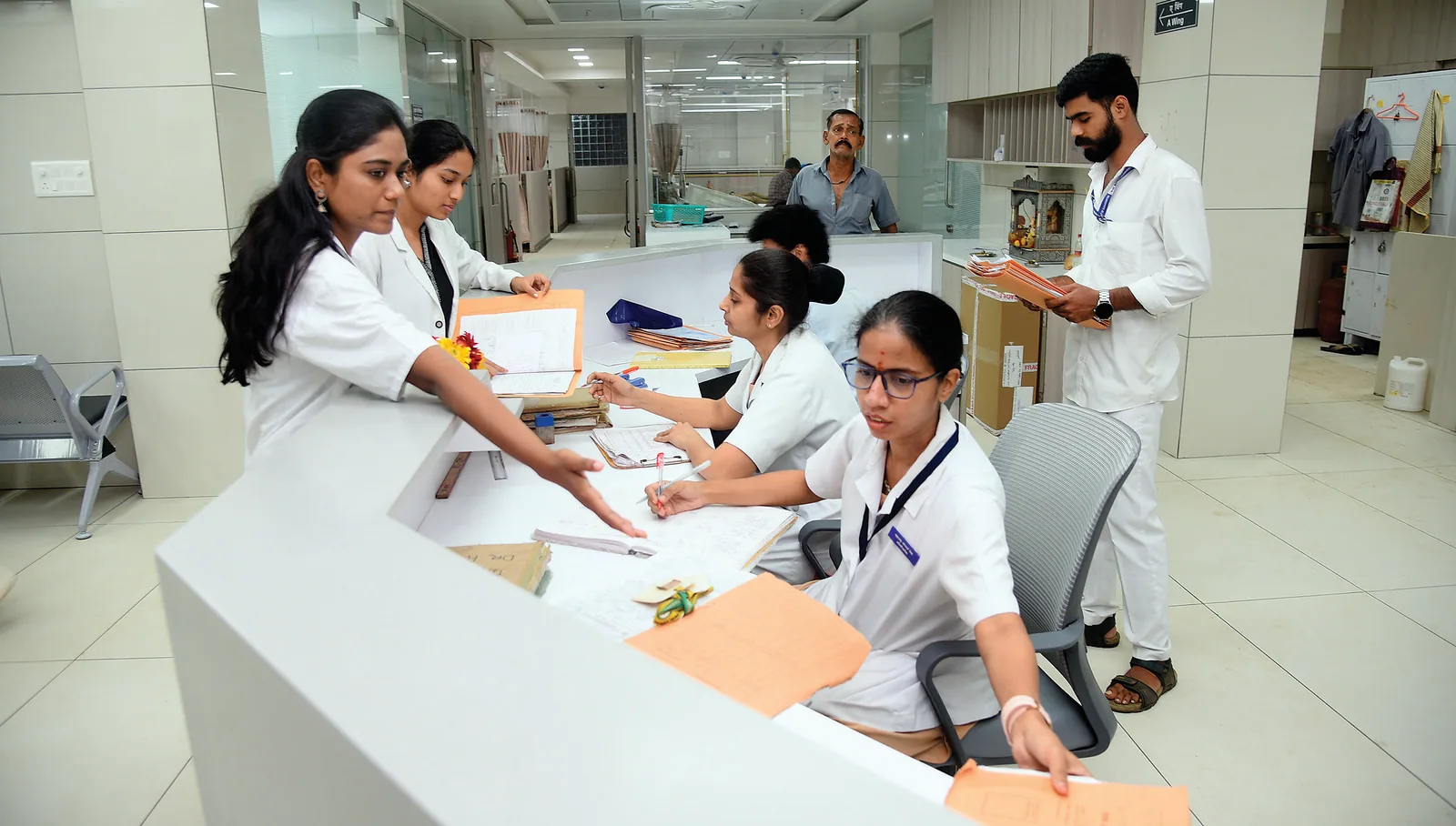
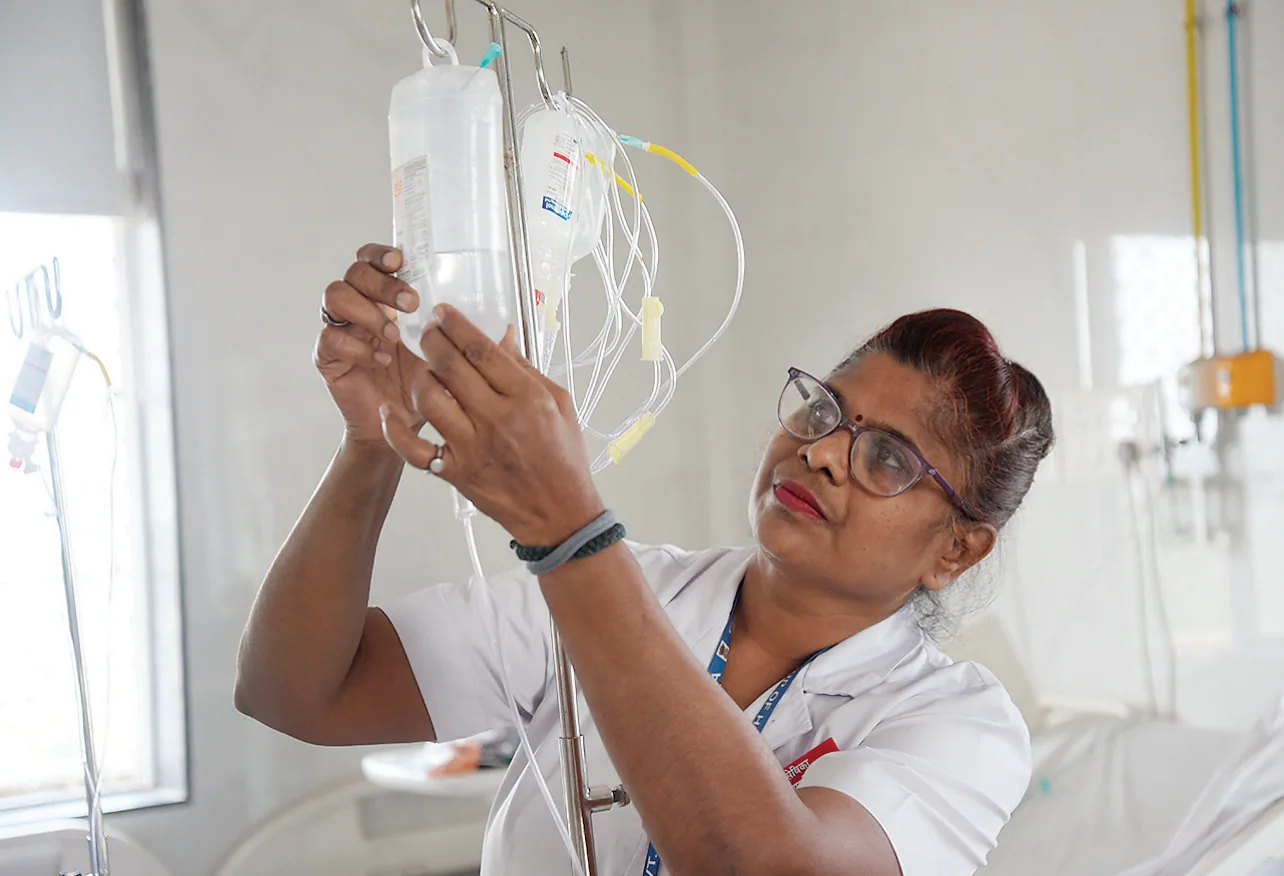
By the time the first light of dawn touches the stone facades, Grant Government Medical College and Sir JJ Group of Hospitals is already long awake. By 6:30 am, the first nursing shift has taken charge of the wards. Registers are opened, beds are checked, and patients are quietly observed while they still sleep. A team of 1,126 nurses works under Matron Yojana Beldar, who has over 30 years of experience. They form the backbone of round-the-clock care, working through a carefully coordinated shift system: 6:30 am to 3 pm, 1 pm to 8 pm, and 8 pm to 6:30 am.

Every shift change is marked by conversation and documentation. Nurses make sure nothing is lost in transition. “Nurses note down every detail about every patient and update the next nurse when they switch duties,” one nurse explains. Symptoms, medication timings, a patient’s emotional state, everything is passed on. The work does not restart every morning; it continues.
Across the hospital, nurses move between wards and operation theatres. JJ Hospital has 11 OTs, and nurses assist doctors in every surgery performed here. Their work begins hours before a patient is wheeled into the OT, ensuring ward readiness, mechanical cleaning, preparing instruments and sterilisation of surfaces. Outside the OT, they speak to patients and relatives, explaining procedures and calming anxieties. Counselling, they say, is as much a part of their job as clinical care.
Many nurses have seen the hospital during its most difficult moments. Malini Makasare, who has worked here for 29 years, has witnessed events that changed both the city and the hospital.
“We went through a lot of incidents in the history of JJ Hospital and Mumbai, such as the 26/11 attacks in 2008, Hindu-Muslim riots in 1992-93, the Zaveri Bazaar blast in 2011, and the Covid-19 pandemic,” she says. During such times, preparation becomes important. “Patience is key. We listen to seniors, plan in the best way possible, and prepare the wards for all the casualties.” She recalls that during 26/11, nurses worked continuously for three days. “During Covid, too, we didn’t care about ourselves. We tried our best to make patients comfortable,” she adds.
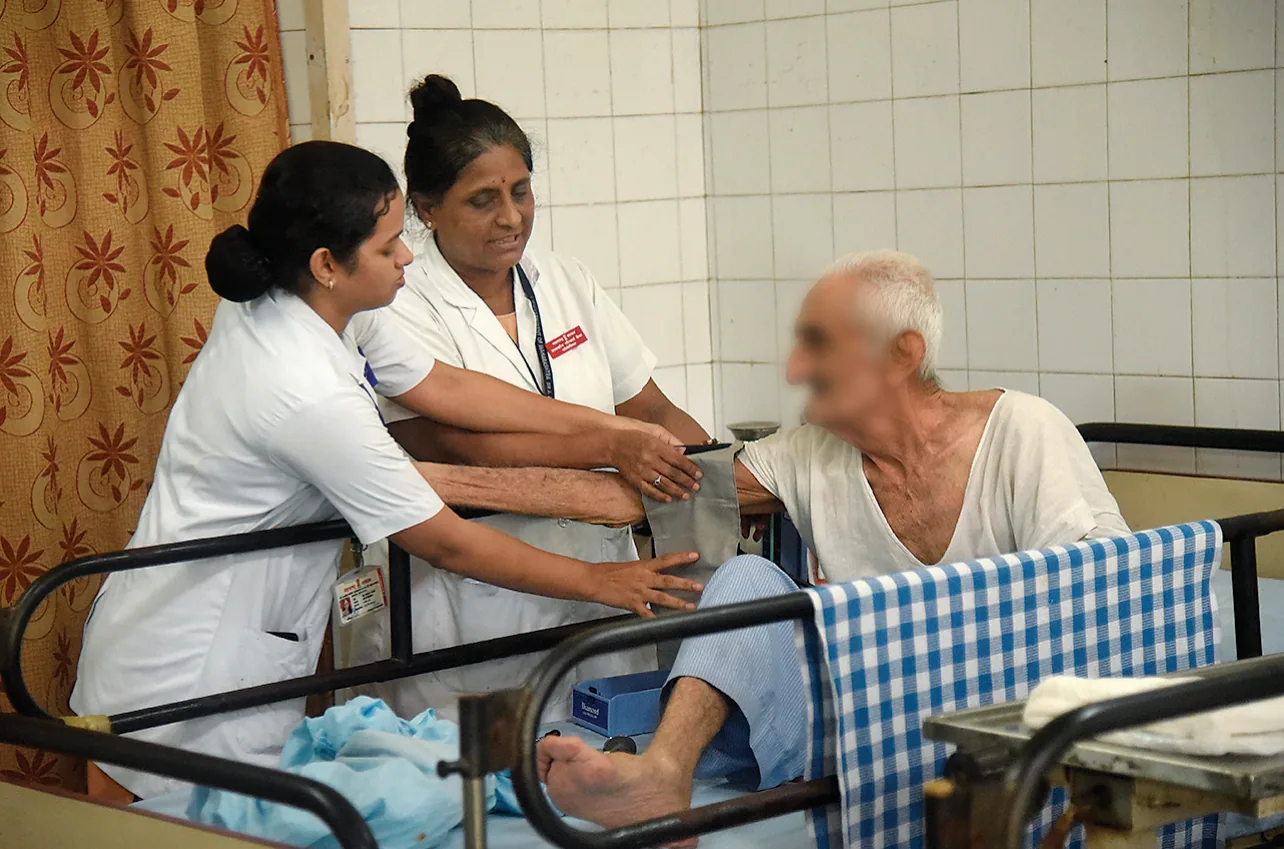
Empathy, the nurses say, defines their profession. “Being a nurse means being empathetic. People never forget how you make them feel,” says nurse Poonam Kale. Nurses at JJ believe in what they describe as holistic care, addressing both physical illness and mental well-being.
Grant Government Medical College and Sir JJ Group of Hospitals’ endurance does not lie in singular moments, but in the accumulation of routine labour performed across shifts and generations. Doctors, nurses, students and ward staff sustain the institution through repetition and discipline. This continuity, more than any milestone or monument, defines the hospital. It is how Grant Government Medical College and Sir JJ Group of Hospitals endures, by not stopping, by never sleeping.
Dr Kunal Goel, a third-year resident in the dermatology, leprosy and venereology department, says, “We treat patients and simultaneously keep learning.”
This is perhaps most visible in the paediatric ward. Pragati Kholamkar, a nurse with 30 years of experience, says, “Our job with children is not just treatment, but also rehabilitation.” She recalls an incident when the police brought in a baby found abandoned under a train seat. “We took care of him and named him Karan,” she says. Years later, he still remembers the nurses who raised him in those early days. In another case, a mother named her newborn baby after the nurse who supported her throughout labour. “Such moments stay with us longer than any shift,” one nurse says.
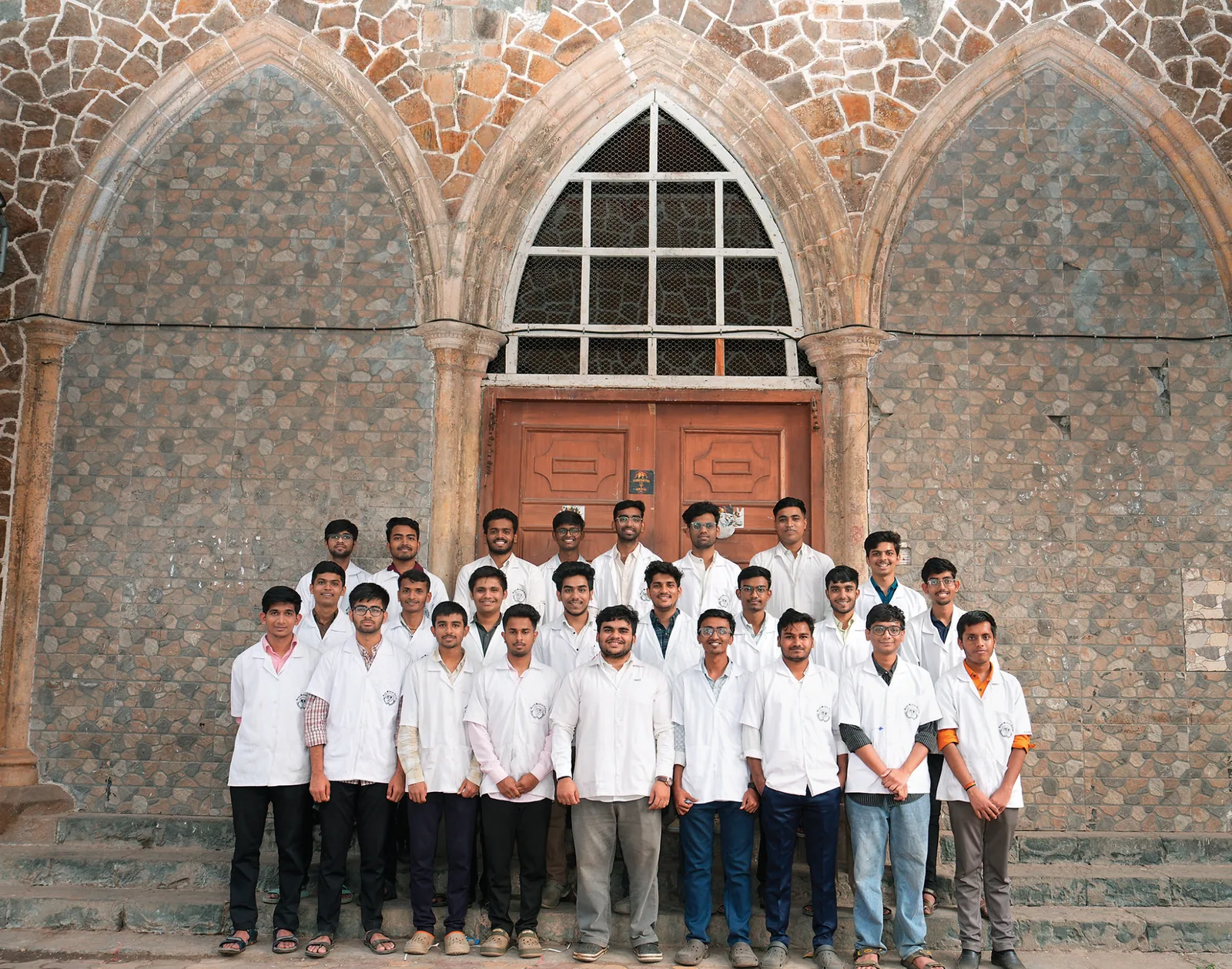
By 8 am, the academic side of the hospital comes into focus. Undergraduate MBBS students at the Grant Government Medical College begin their day with lectures before moving to clinical postings. Vishwajeet Jawale, a third-year student, explains, “We start at 8 am, and our posting begins at 9 am. Each posting, such as paediatrics, is four weeks long.” Learning here is structured around real cases. “They teach us every topic with the help of a case study,” he says.
After lectures, students enter the wards, interact with patients, and ask for consent before examinations. “We ask the right questions and come up with a diagnosis. We assess what has happened and how it will be treated,” Vishwajeet explains. Students then present their findings to professors, who correct them and guide them through the reasoning process. By noon, it is time to break for lunch, before more lectures until 5 pm.
Evenings are spent in the hostels, studying, resting, or spending time in common rooms. “We have multiple spots to spend our time in the college, like the amphitheatre, the common room, the canteens,” he adds.
By 8 am, the academic side of the hospital comes into focus. Undergraduate MBBS students at the Grant Government Medical College begin their day with lectures before moving to clinical postings.
For postgraduate students doing their residency, the hospital day is more demanding and less predictable. Dr Kunal Goel, a third-year resident in the dermatology, leprosy and venereology department, says, “We treat patients and simultaneously keep learning.” The nature of the day depends heavily on the department. “We do OPD in the morning, then take rounds and examine patients.”
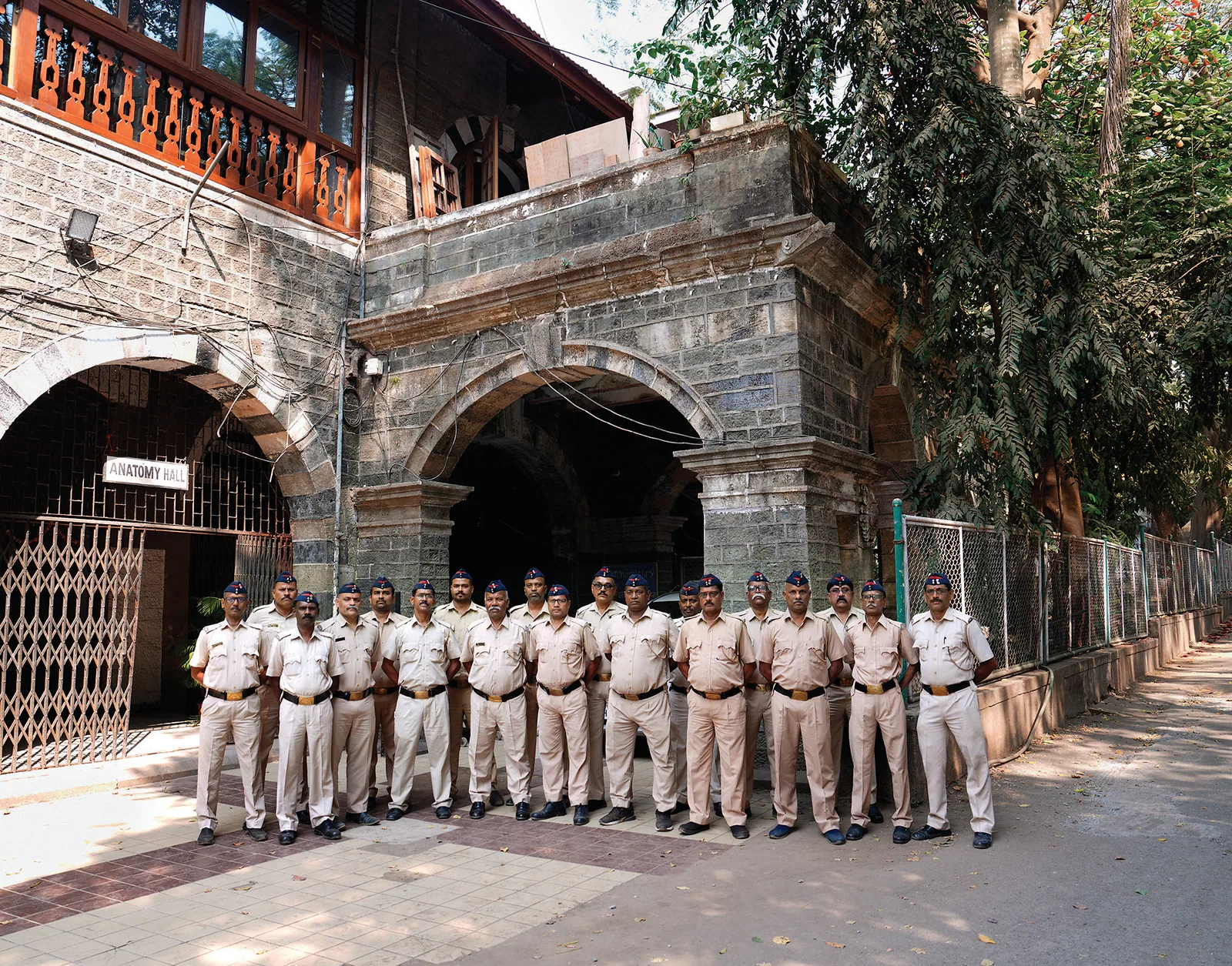
It is during these hours that ward boys, dressers and attendants become indispensable. From moving patients, fetching equipment, managing stretchers, and keeping systems running, they do it all.
Other departments are organised into multiple units with emergency doctors available 24/7. Residents decide whether a patient needs admission, tests or immediate casualty care. Despite the workload, Dr Goel believes the institution offers support. “GGMC is different from other colleges because they stand up for its students. They make sure the mental health of doctors is taken care of.”
As evening approaches, another nursing shift takes over. Notes are exchanged again, wards are rechecked, and the cycle continues. Night duty alters the hospital’s pace but not its functions. Emergencies arrive without warning, and work concentrates in casualty wards and intensive care units.
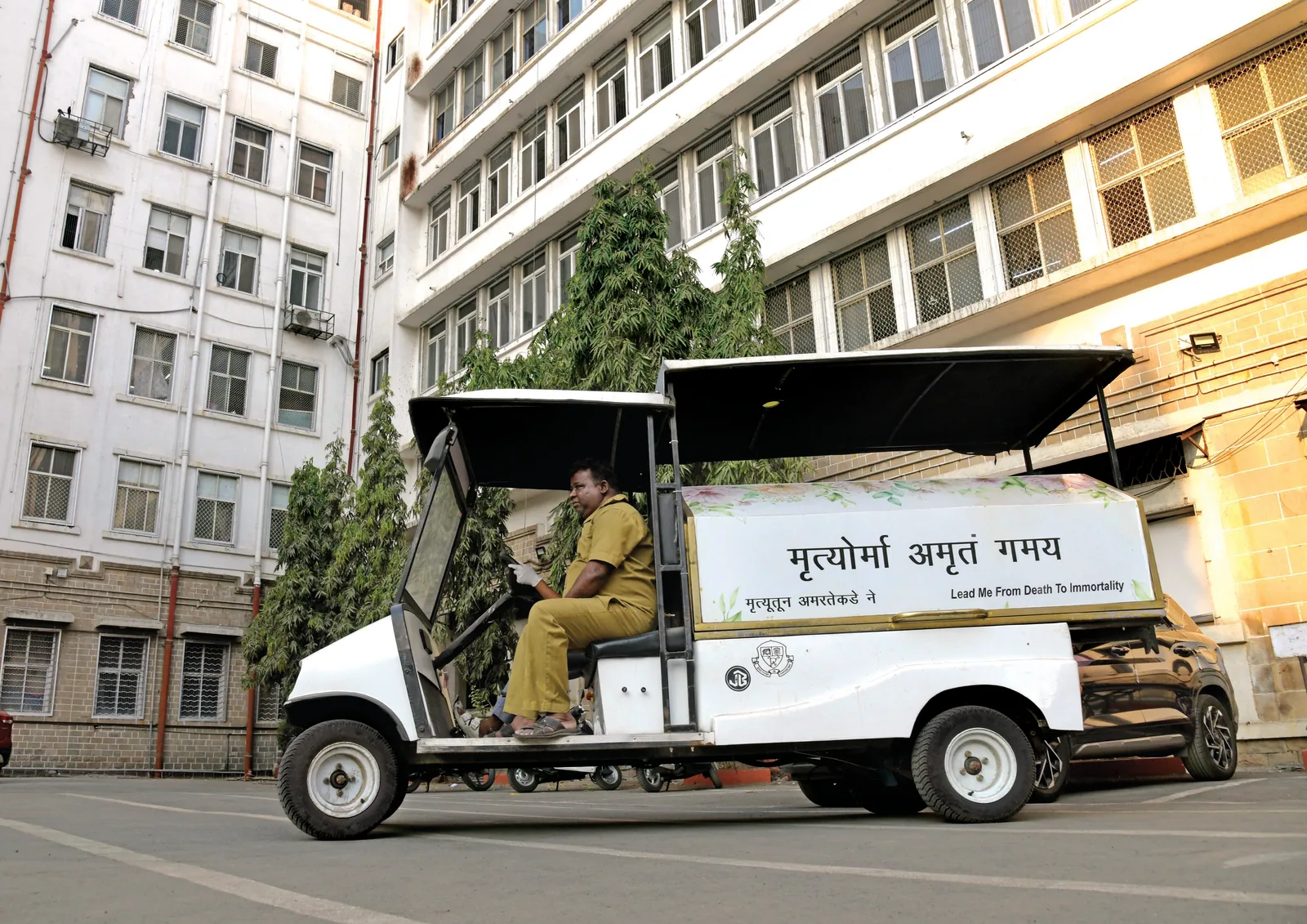
It is during these hours that ward boys, dressers and attendants become indispensable. Their work is physical, repetitive and constant. From moving patients, fetching equipment, managing stretchers, and keeping systems running, they do it all. Mahesh Chauhan, a dresser who has worked at JJ Hospital for 18 years, recalls staying inside the hospital during the Covid-19 pandemic and quarantine. “If workers or patients fell sick, we were there. We arranged treatment, got food from the hospital kitchen, and did whatever was needed,” he says.
For junior doctors, night duty is a formative experience. Decisions are made under limited supervision, with a heightened sense of responsibility. Fatigue is constant, but expectations remain the same.
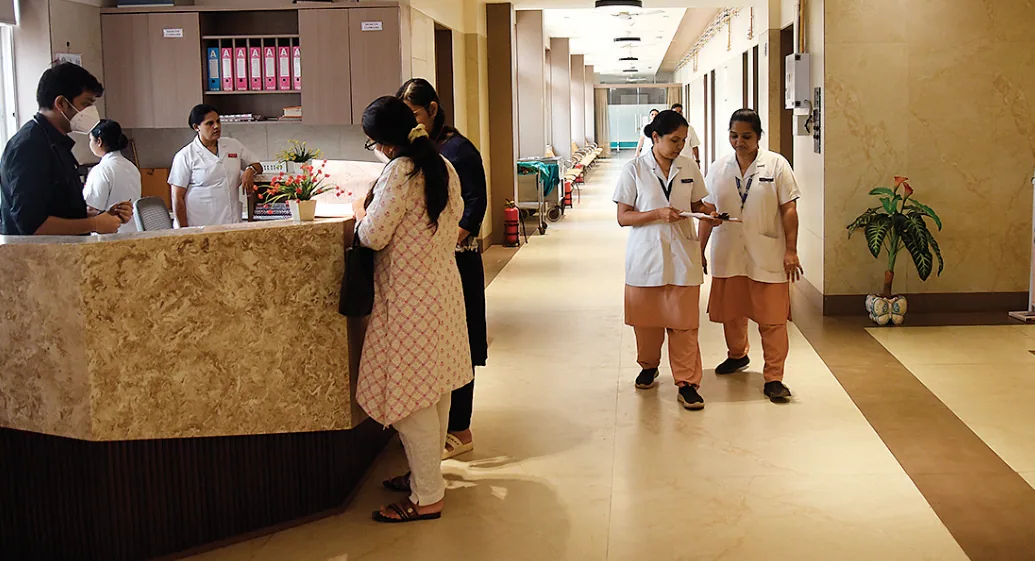
Night duty alters the hospital’s pace but not its functions. Emergencies arrive without warning, and work concentrates in casualty wards and intensive care units.
When another morning dawns, the cycle resumes. Night staff hand over to day teams, and outpatient departments reopen. It all appears seamless, but the smoothness of operations is the result of careful continuity and years of systematic management. It is a responsibility transferred from team to team.